ALEJANDRO
WASSERREICH
ART IS EVERYWHERE.
TWENTY YEARS TURNING WHAT NOBODY SEES INTO ART
EVIDENCE.
EVERYTHING IN HERE HAPPENED

If you look at things differently, things change. That's the whole method. It started with rhythm. 1993 — my uncle sat me behind a drum kit with one instruction: hit it like Bonham — Zeppelin, when everyone else was chasing whatever was on the radio. Everything I've made since carries that drummer's hand — heavy, loose, alive.
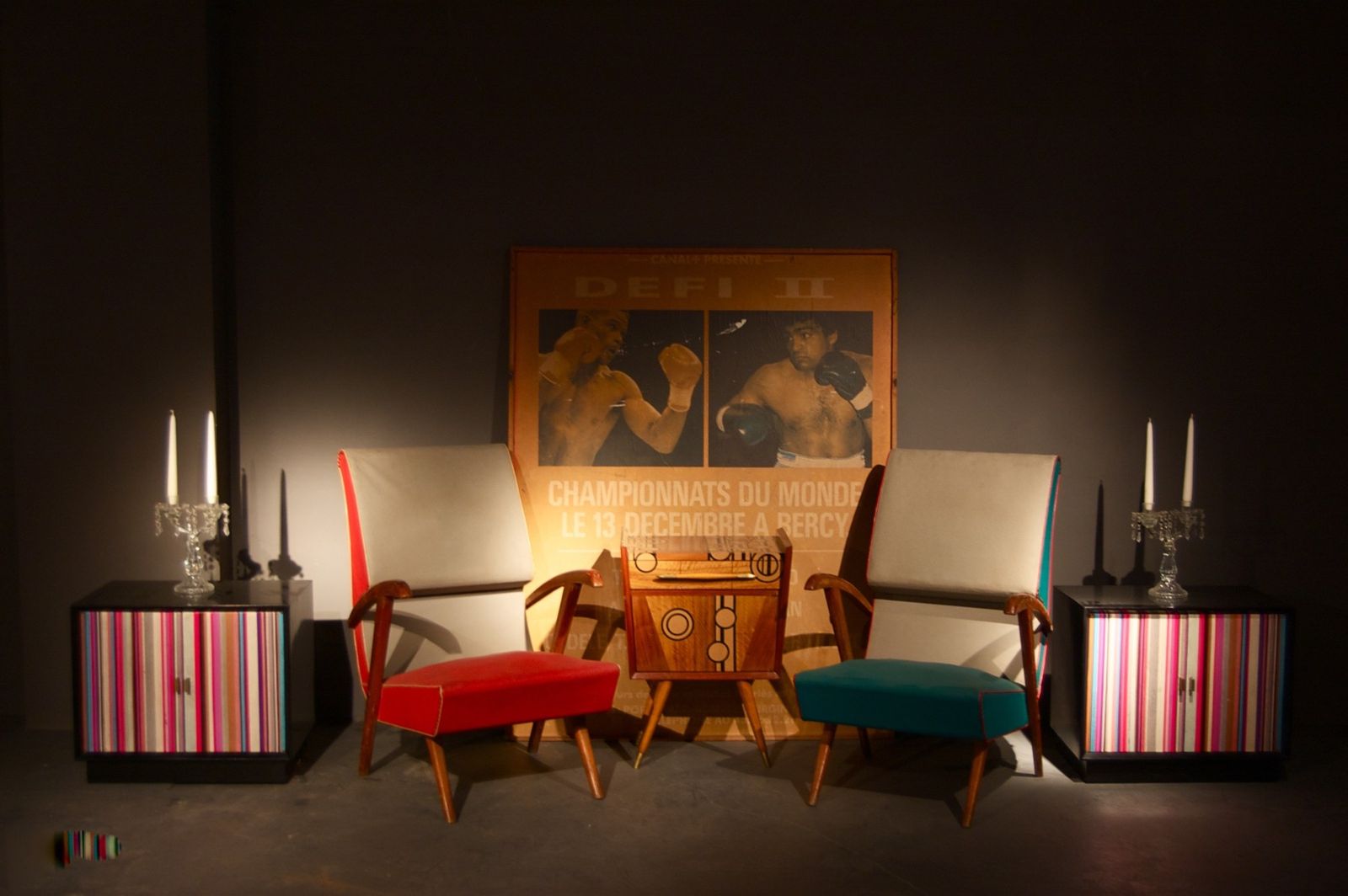
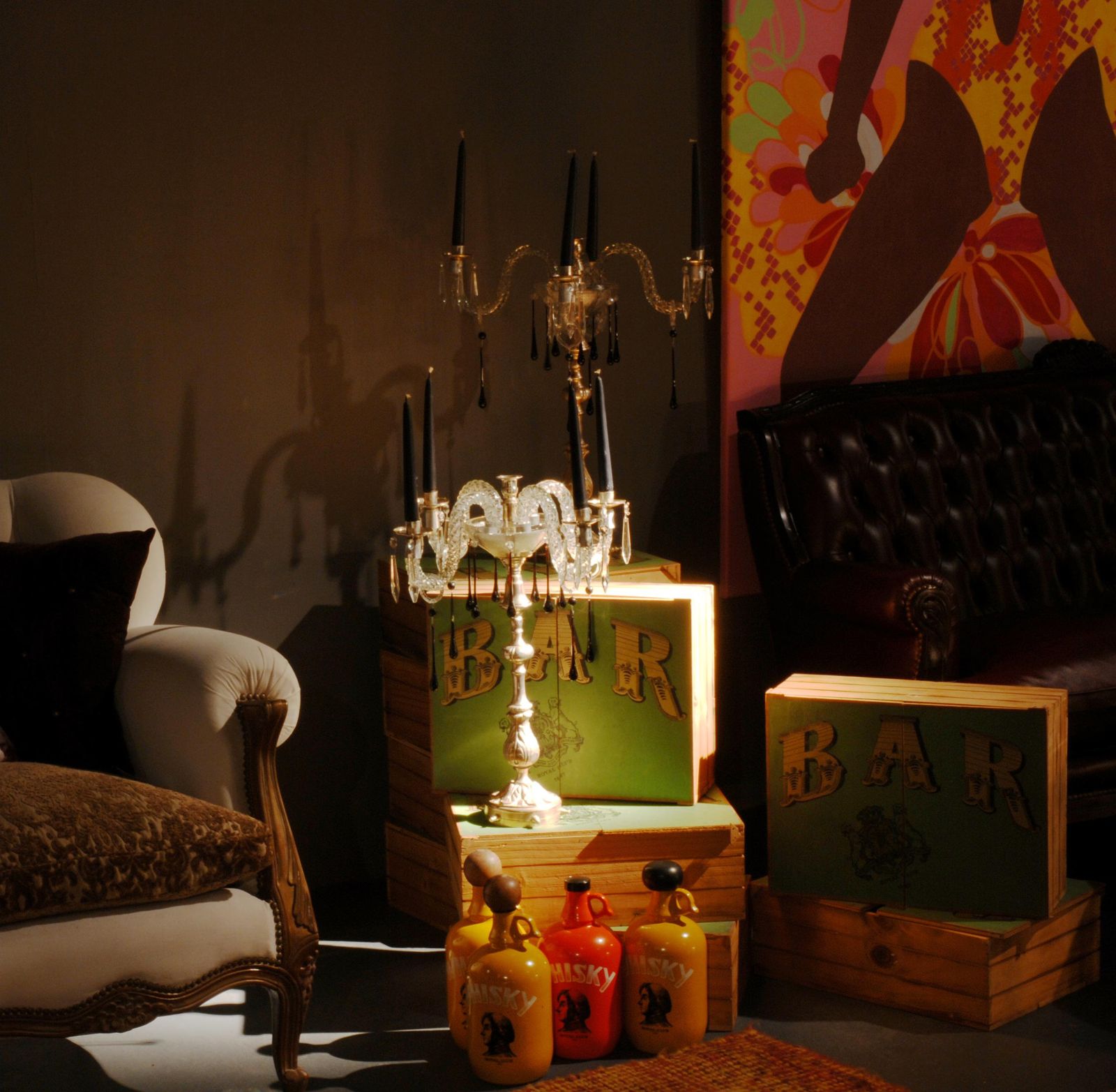
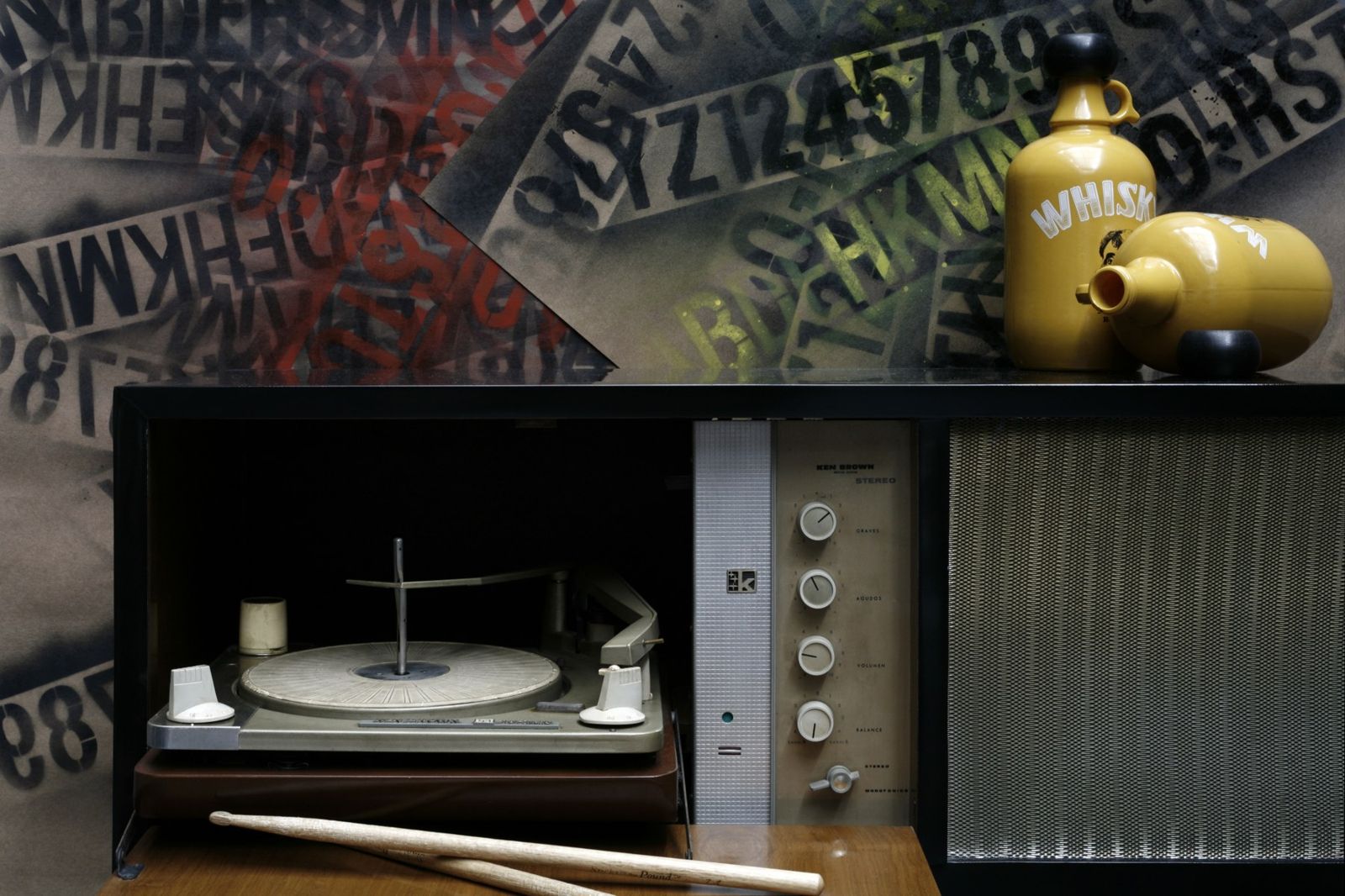
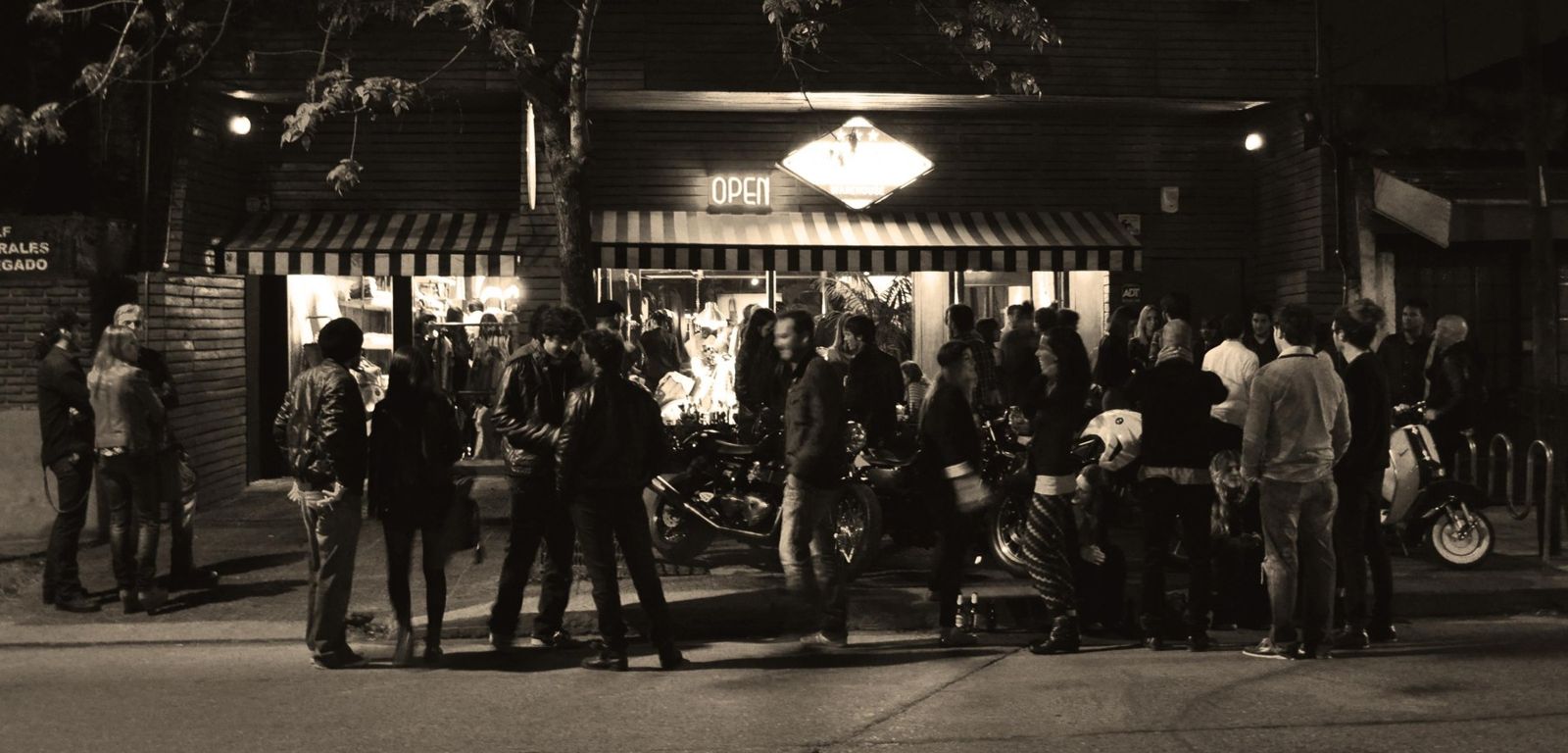
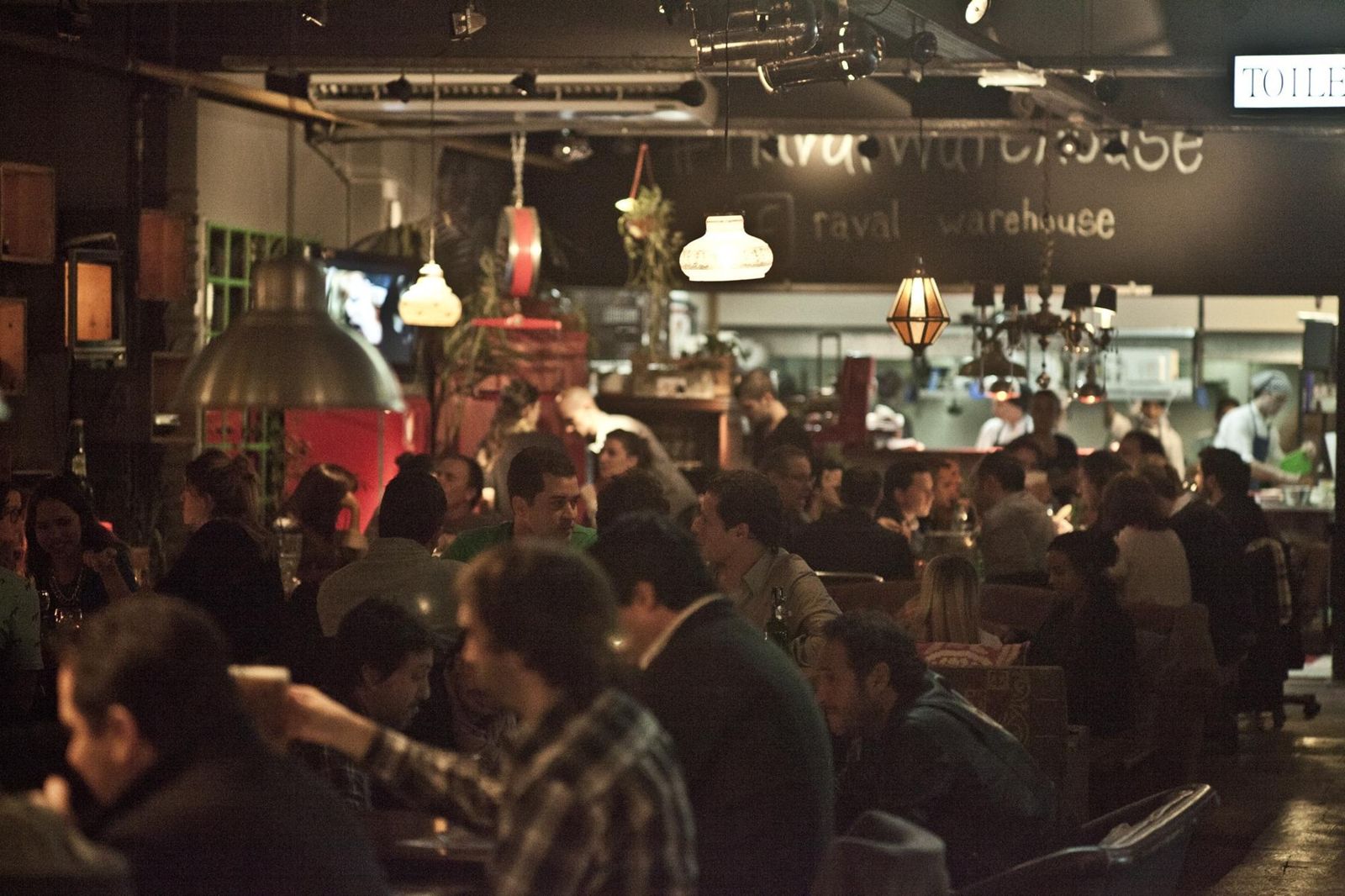
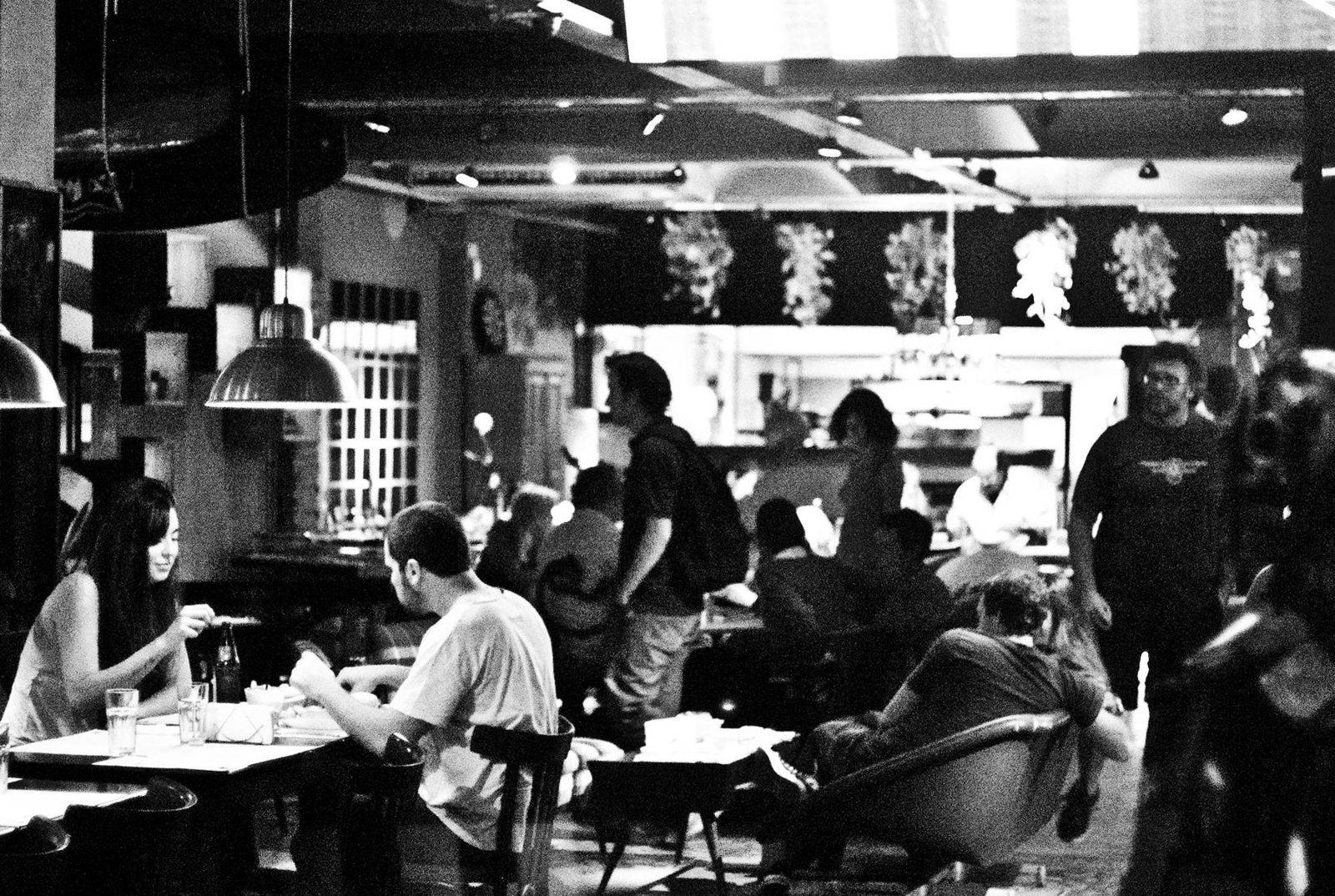
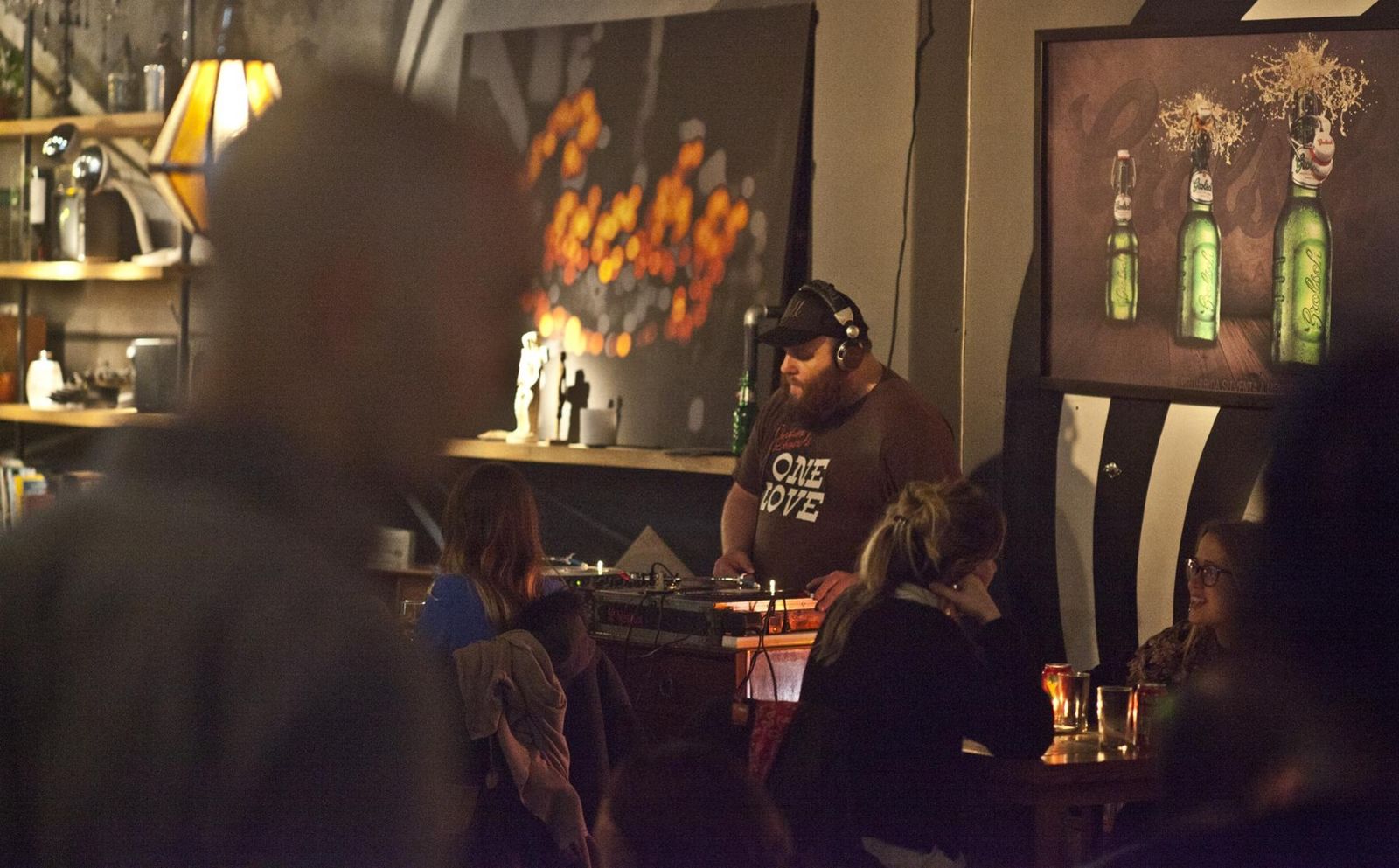
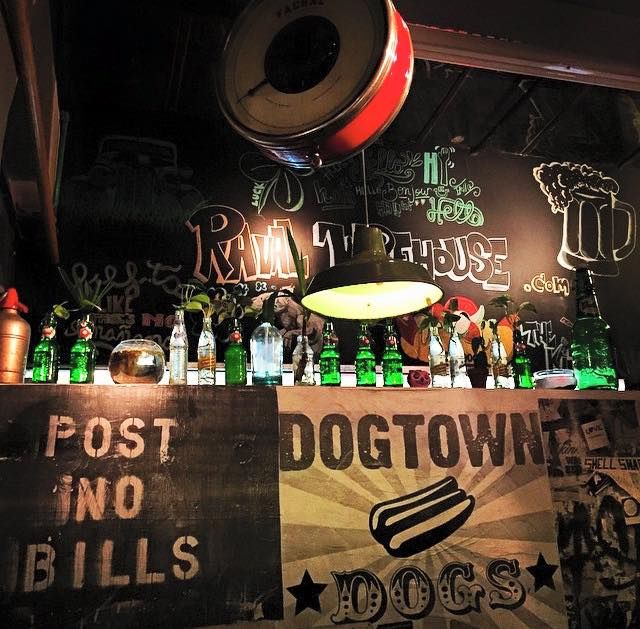
I don't call myself a photographer, a designer or a restaurateur — those are my session players. I'm the producer. What I bring is taste: knowing what a project is really about, and stripping away everything that isn't. A dead gym became Raval Warehouse. Rescued furniture became the identity of a block. Jazz sessions, vinyl nights, a temakeria under cinema seats — twelve years producing a scene, not running a restaurant.
Then came the eye. 1999 — a camera found at my grandmother's house, loaded with expired film. It taught me the lesson I've built everything on: curiosity finds the piece, criteria turns it into something else.
I proved it at my own risk in Buenos Aires. Now I do it in Miami.


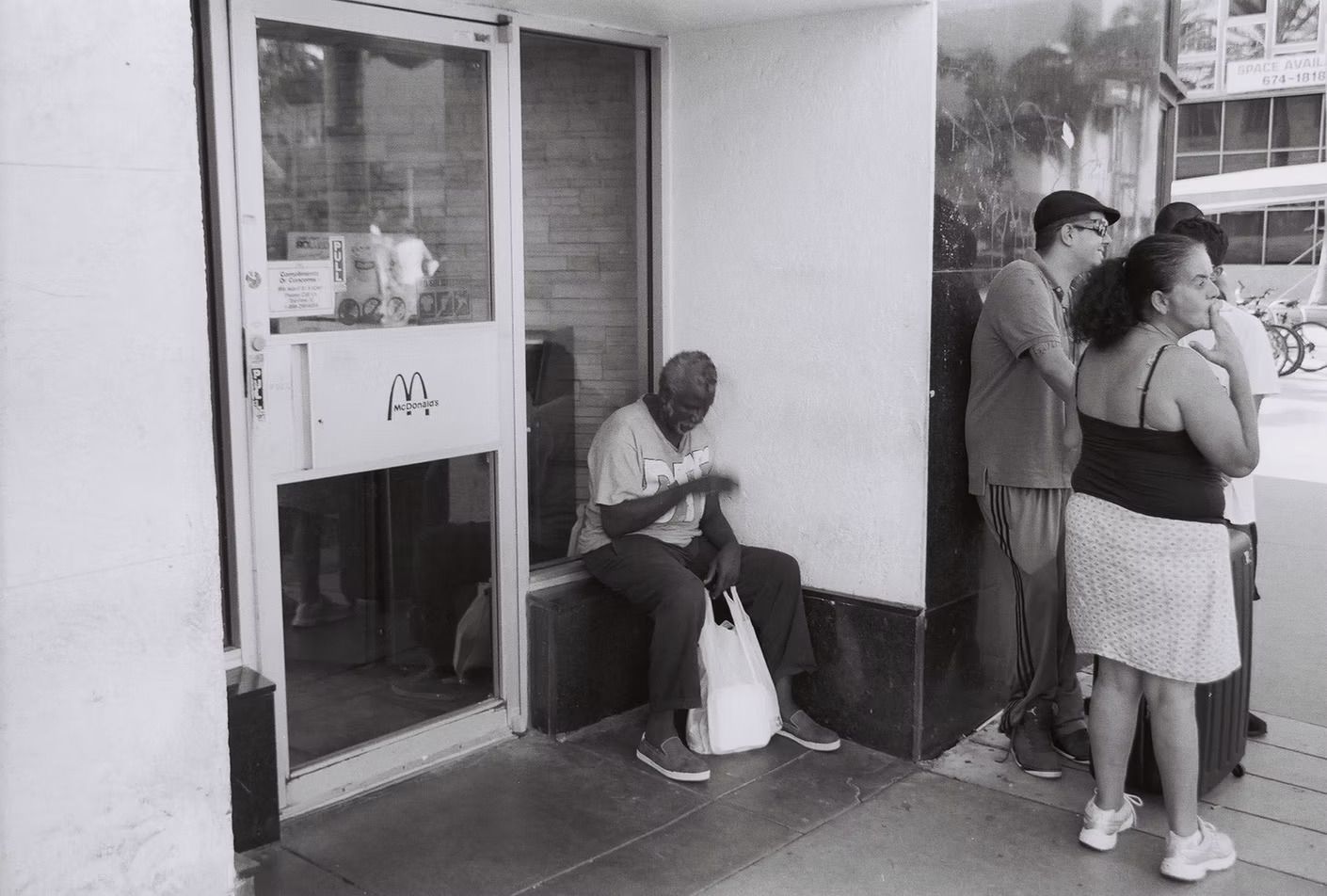
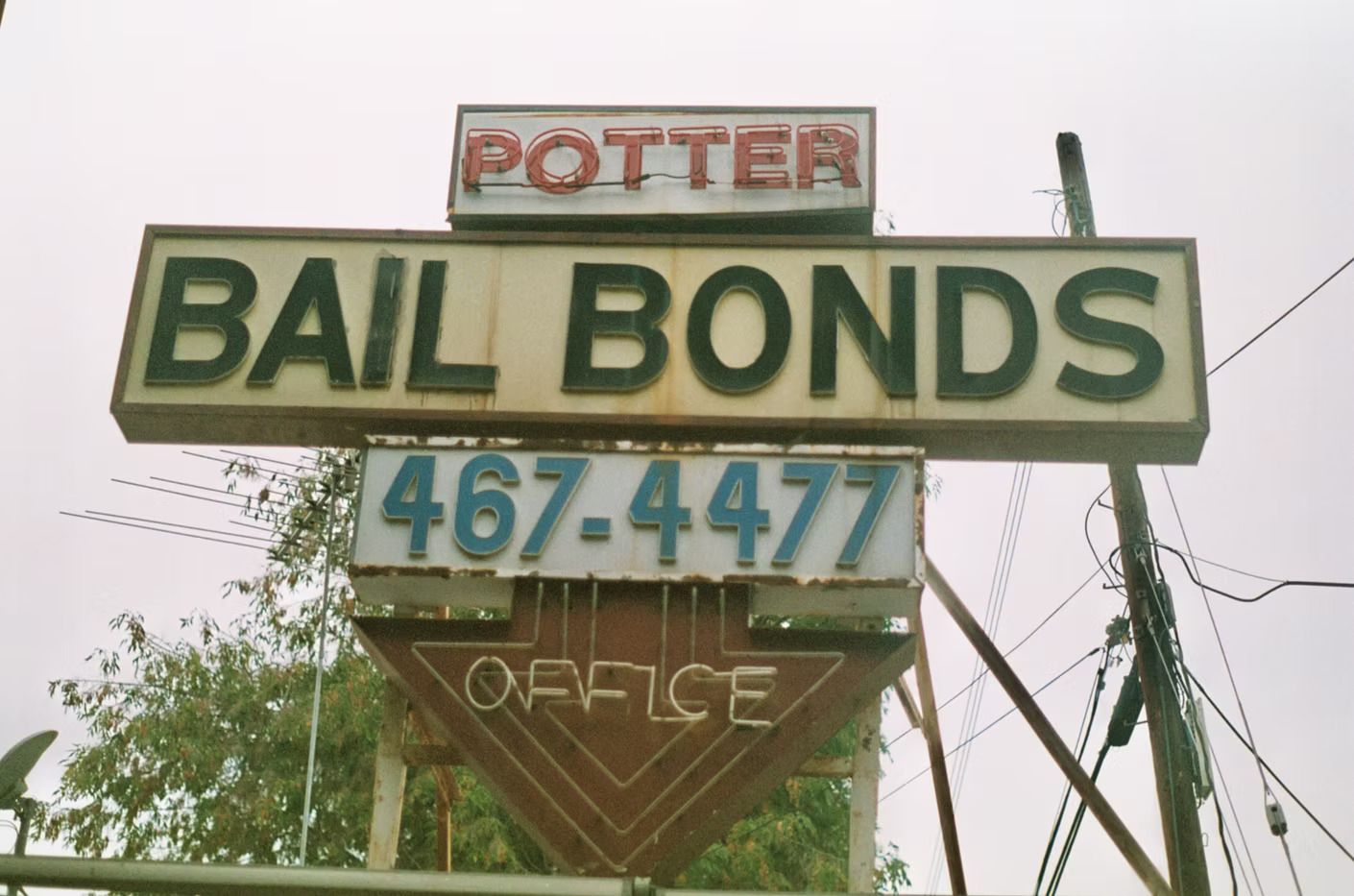
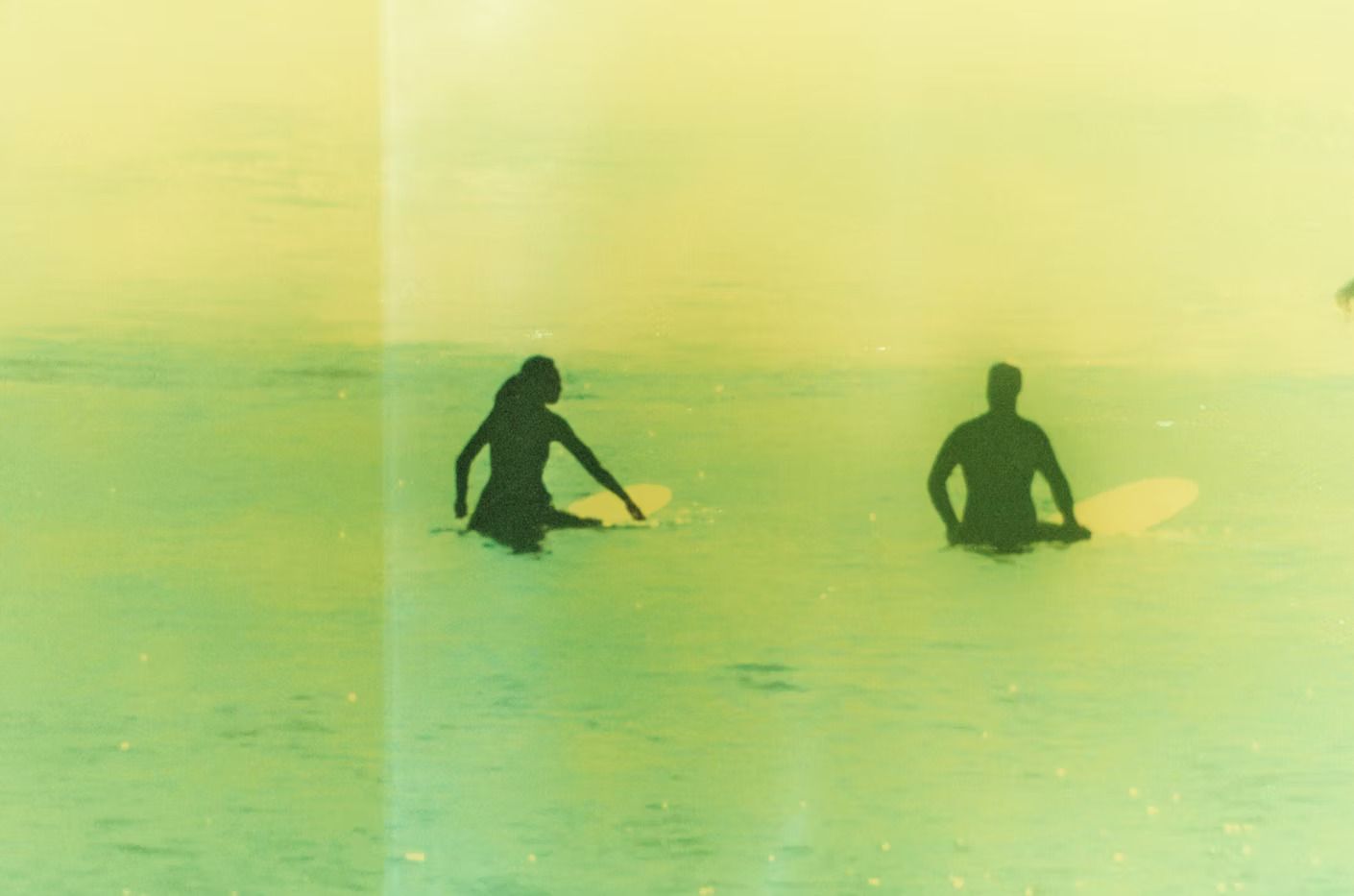

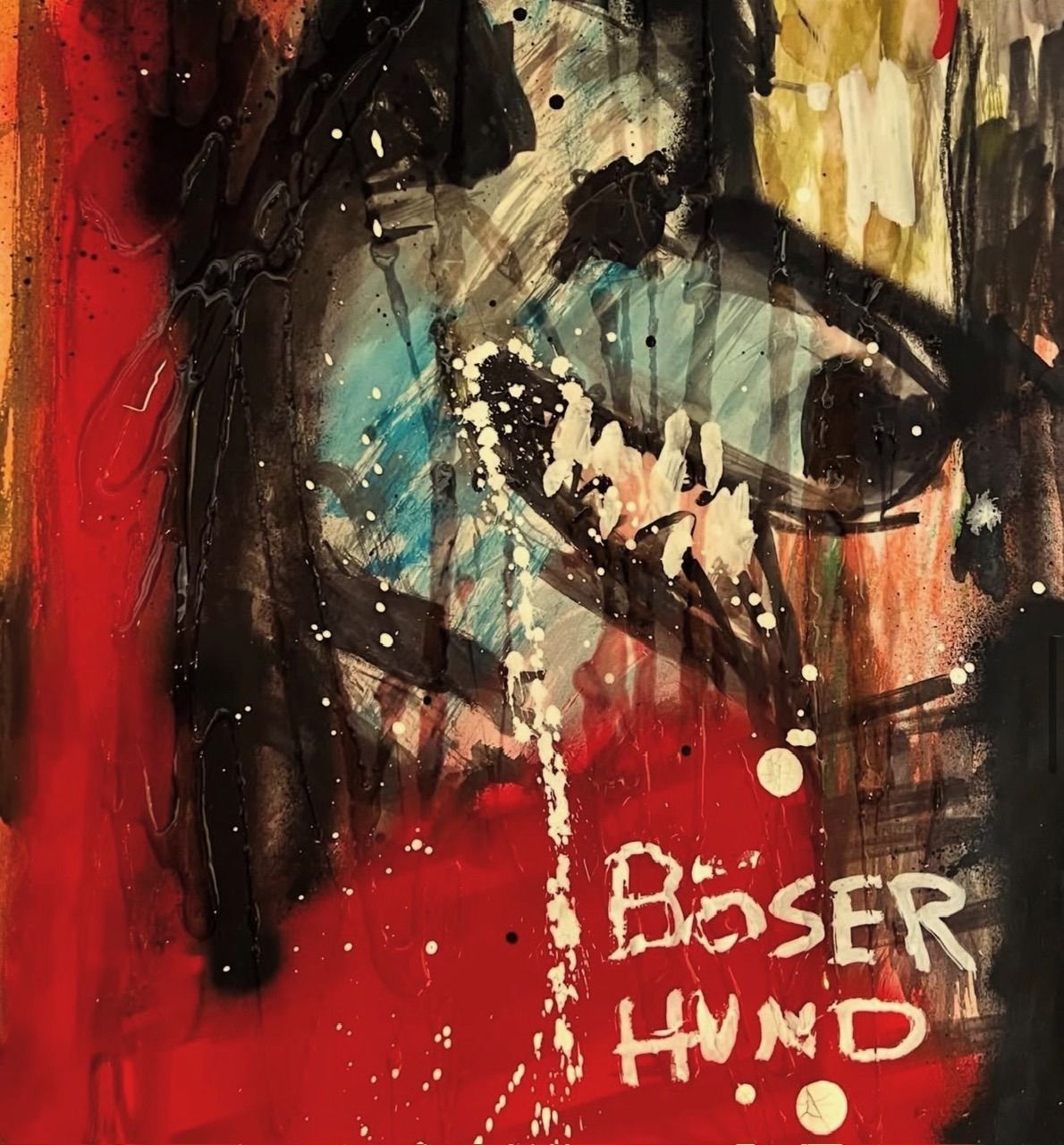
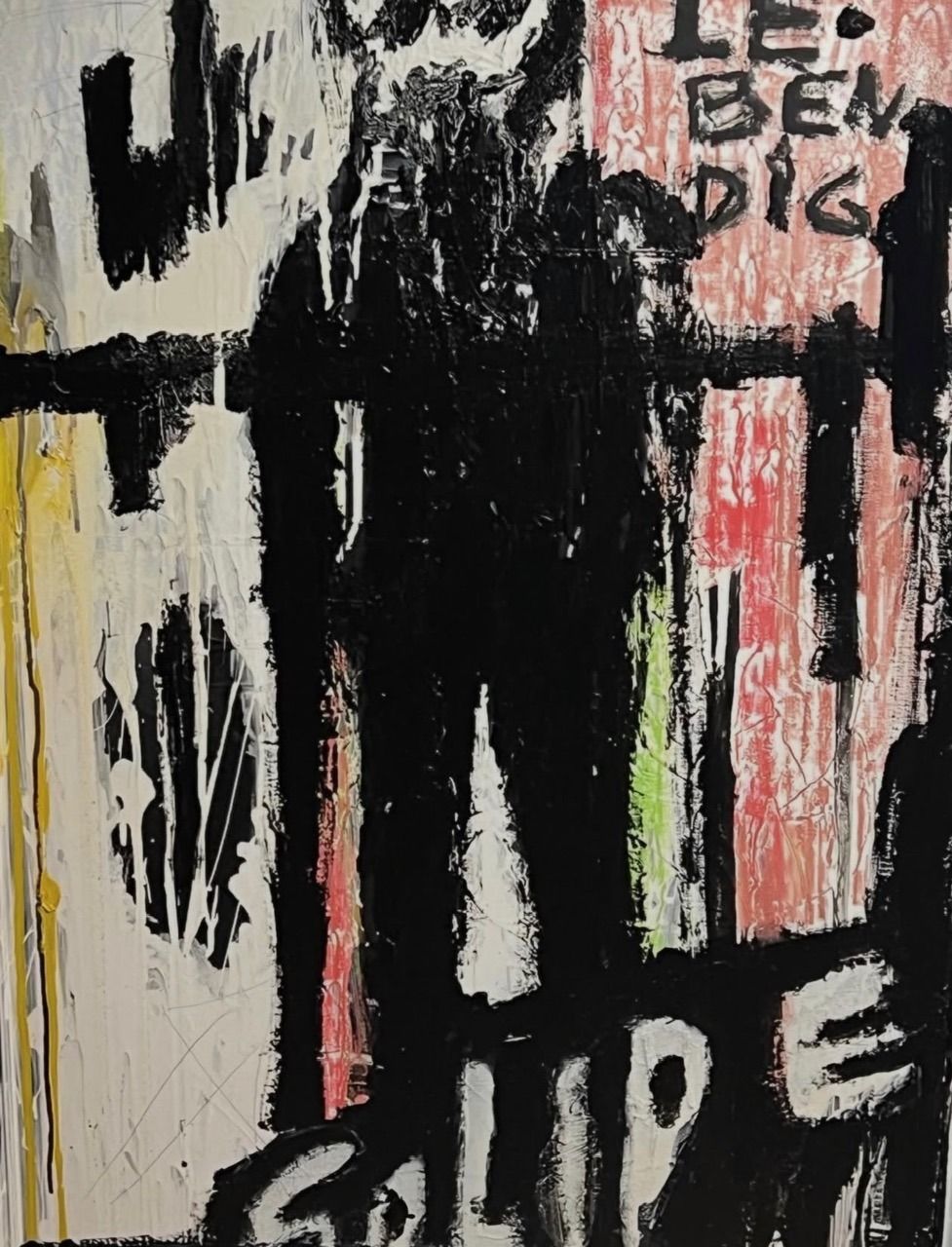
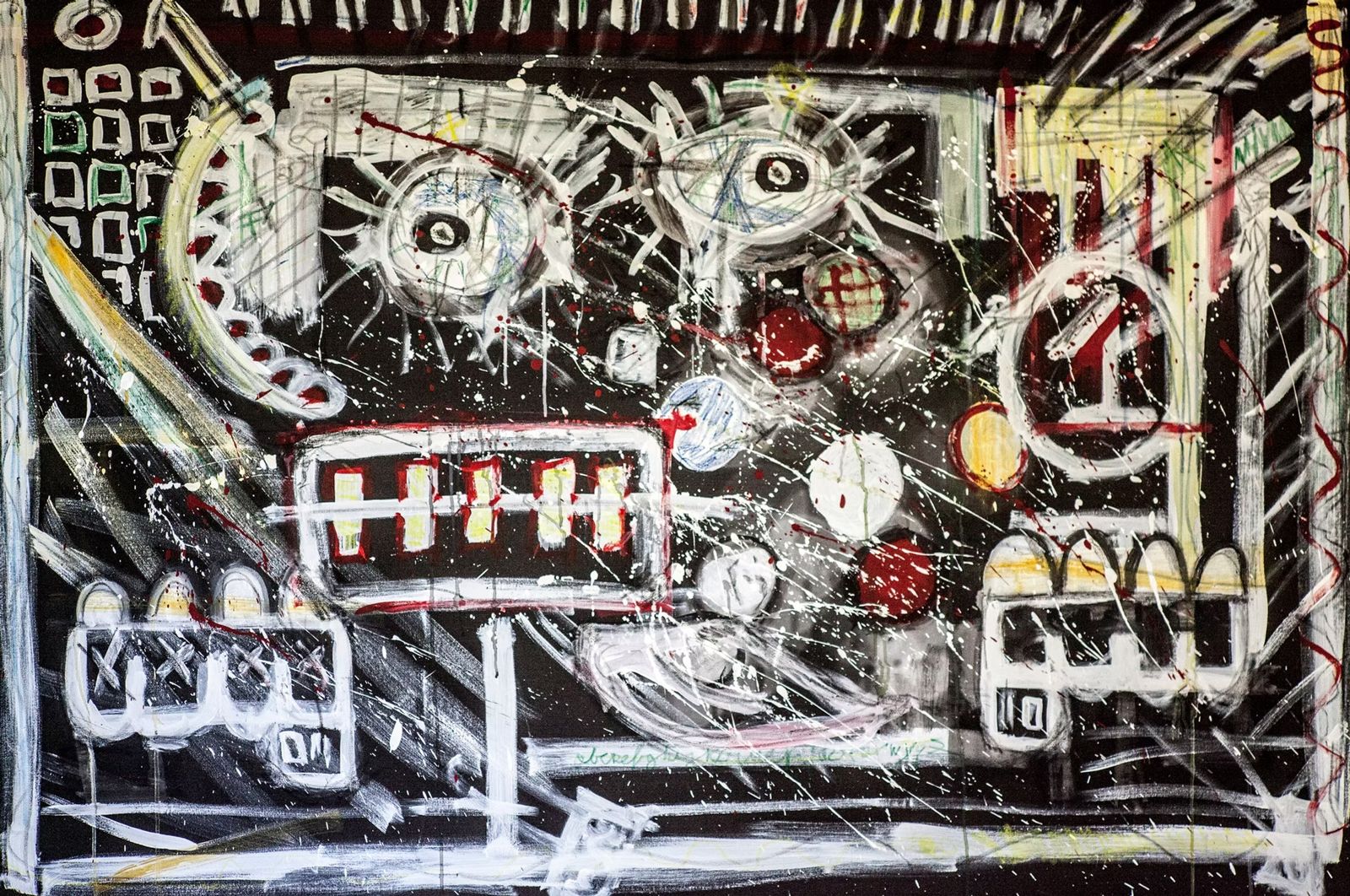
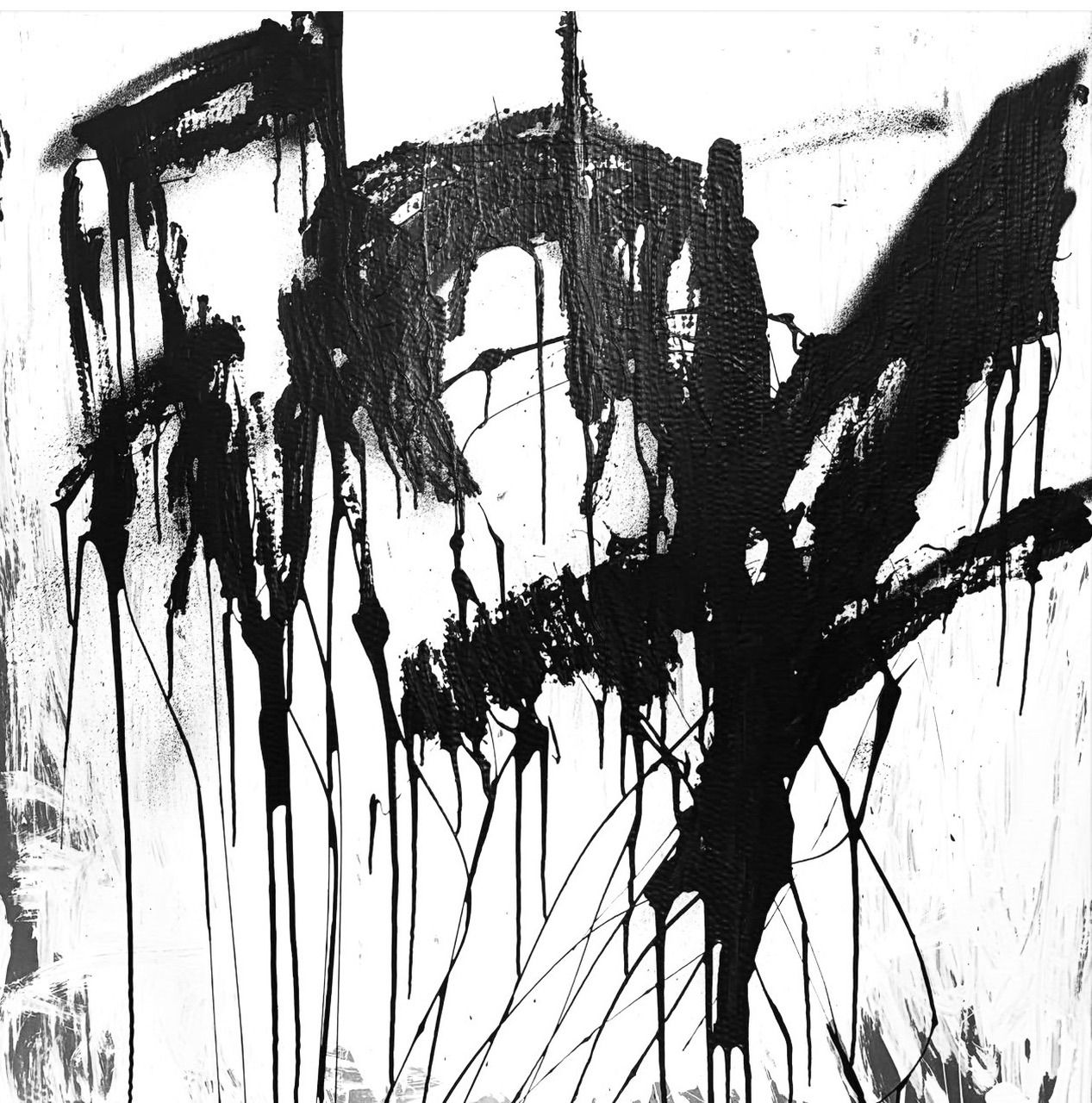
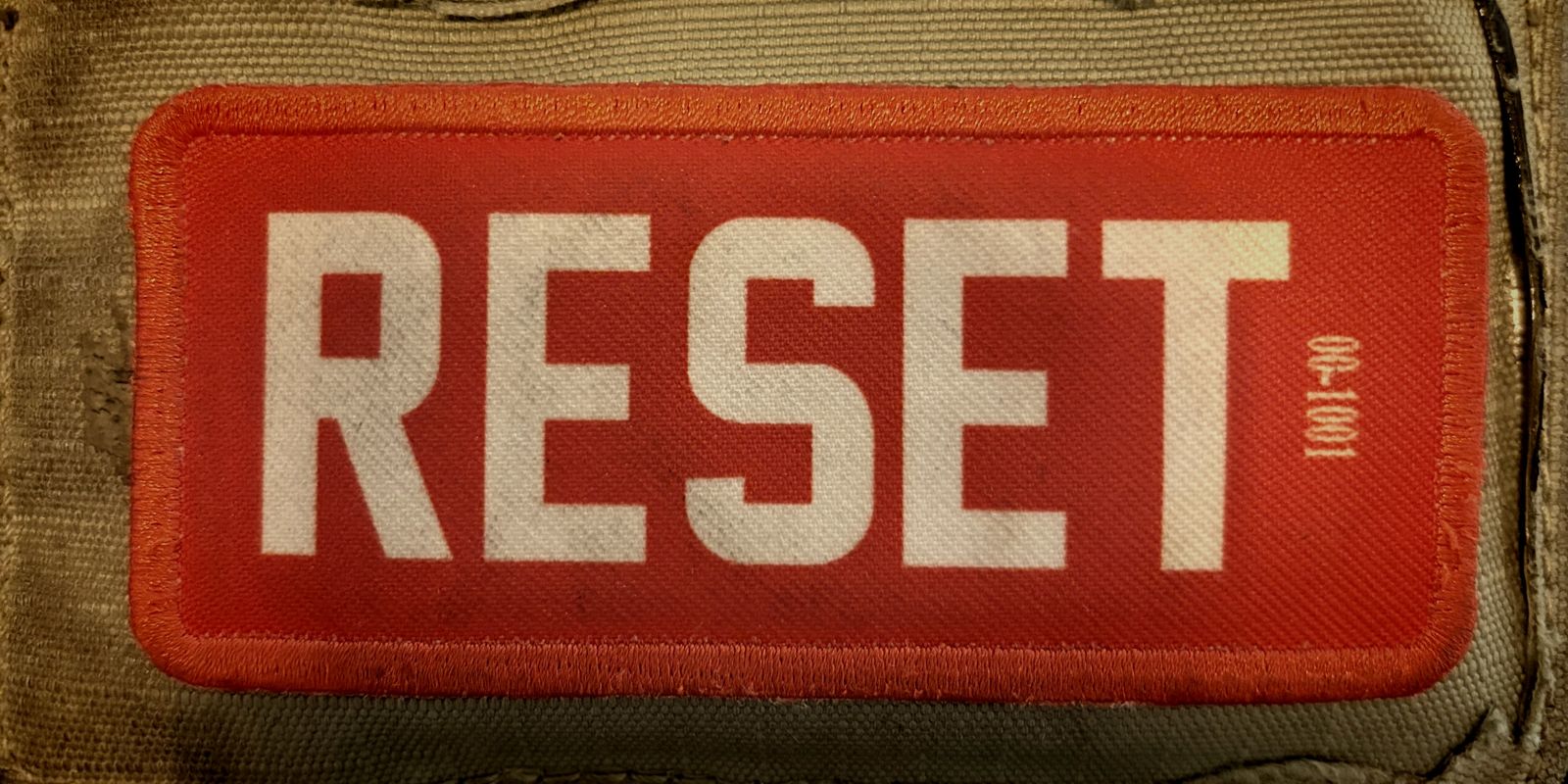
Sewn, not printed — with a chip inside: tap it with any phone and the patch opens its bearer's world. Numbered 001 to 1000. There will never be another first run.
A reset: back to the hand, back to the object, back to belonging.
It's in the name. The patch doesn't finish anything — it starts whoever wears it.
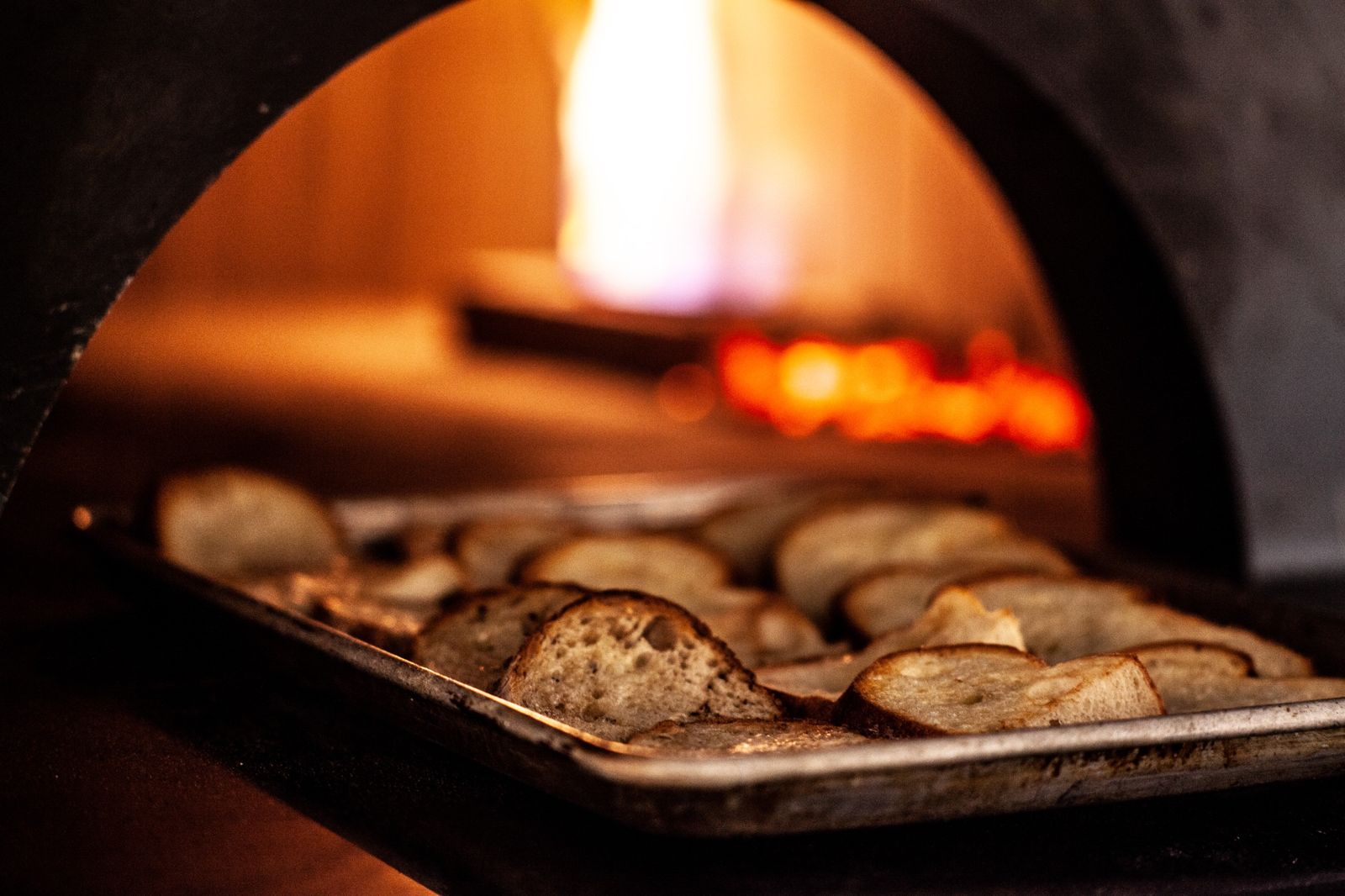
Spaces and hospitality, built whole — the room, the light, the sound, the menu, the reason people don't want to leave. Twelve years of proof in one warehouse.
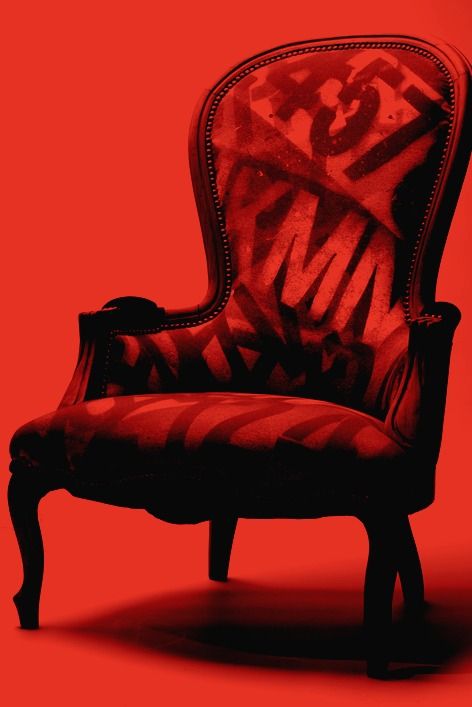
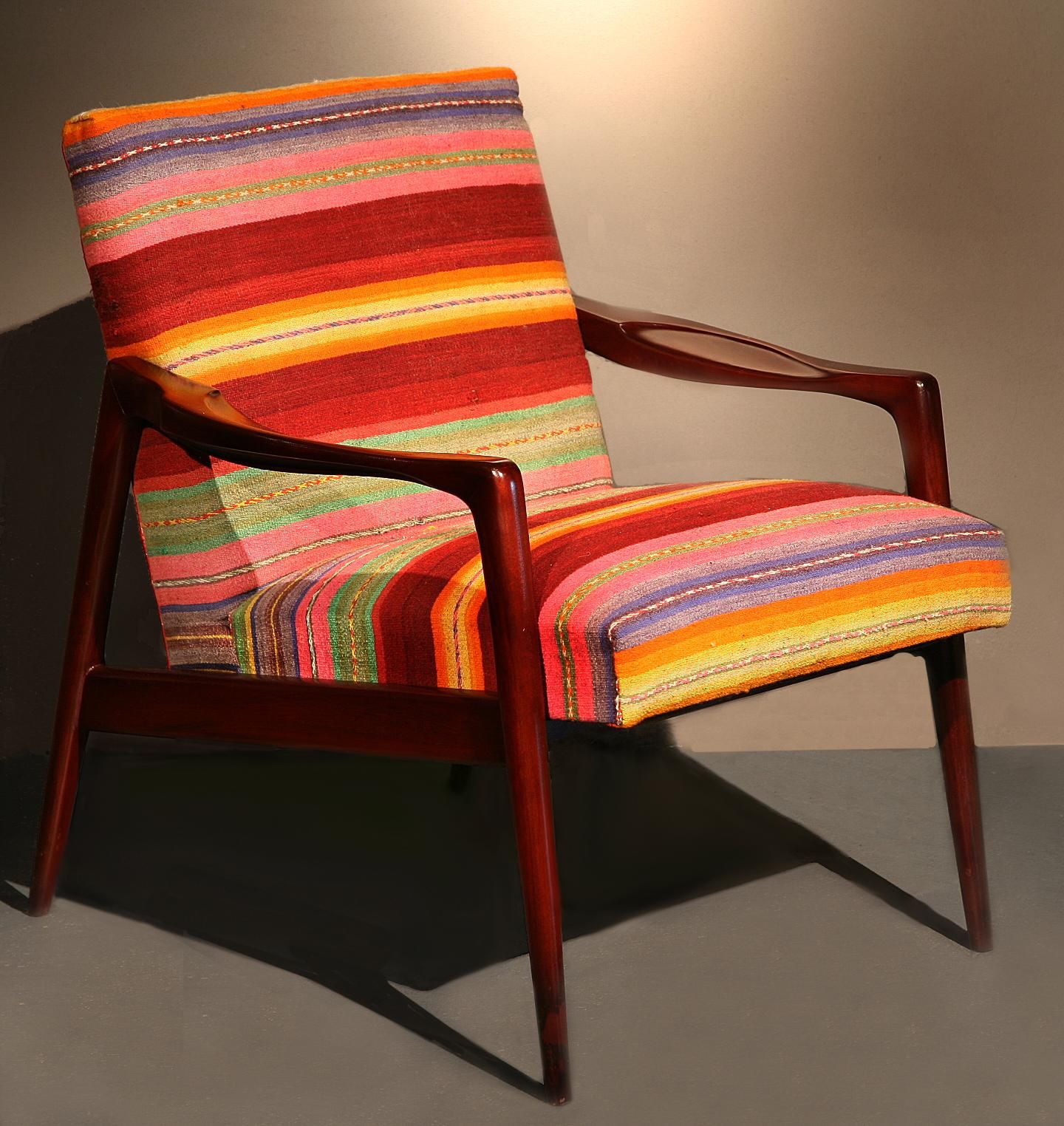
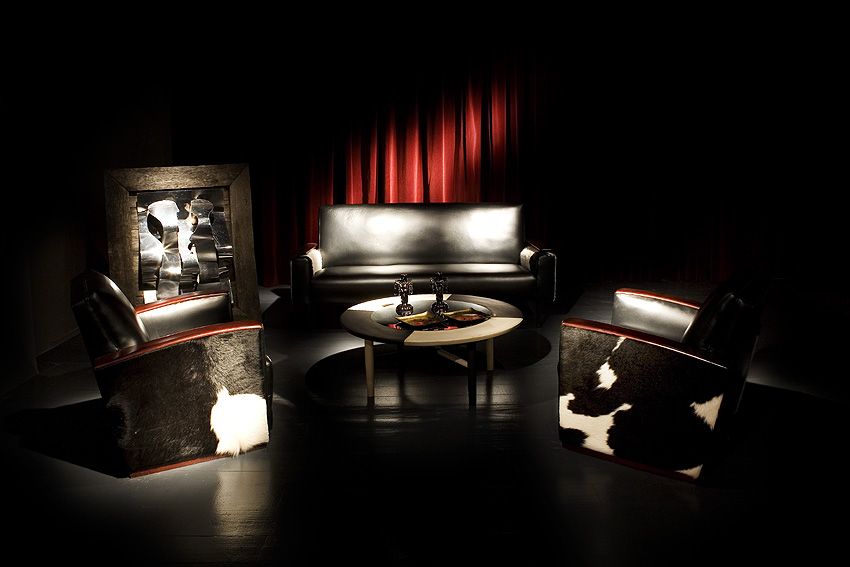
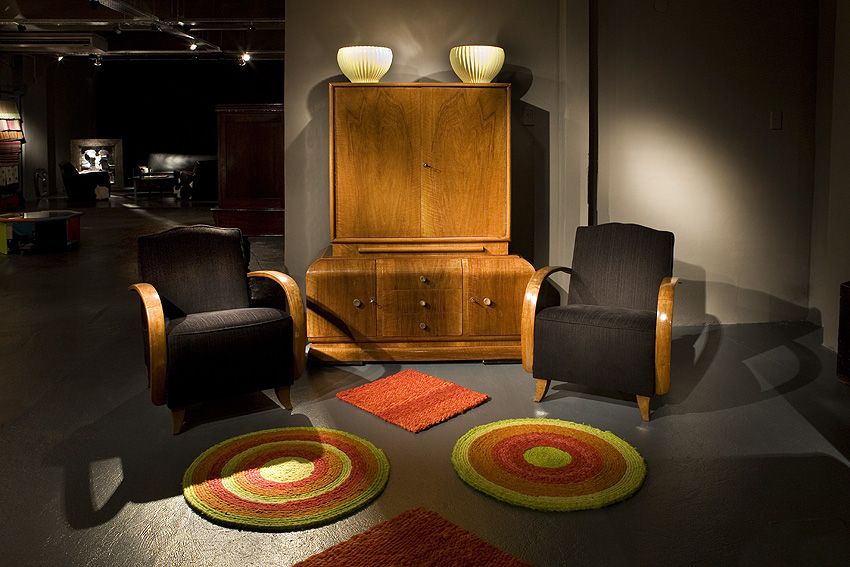
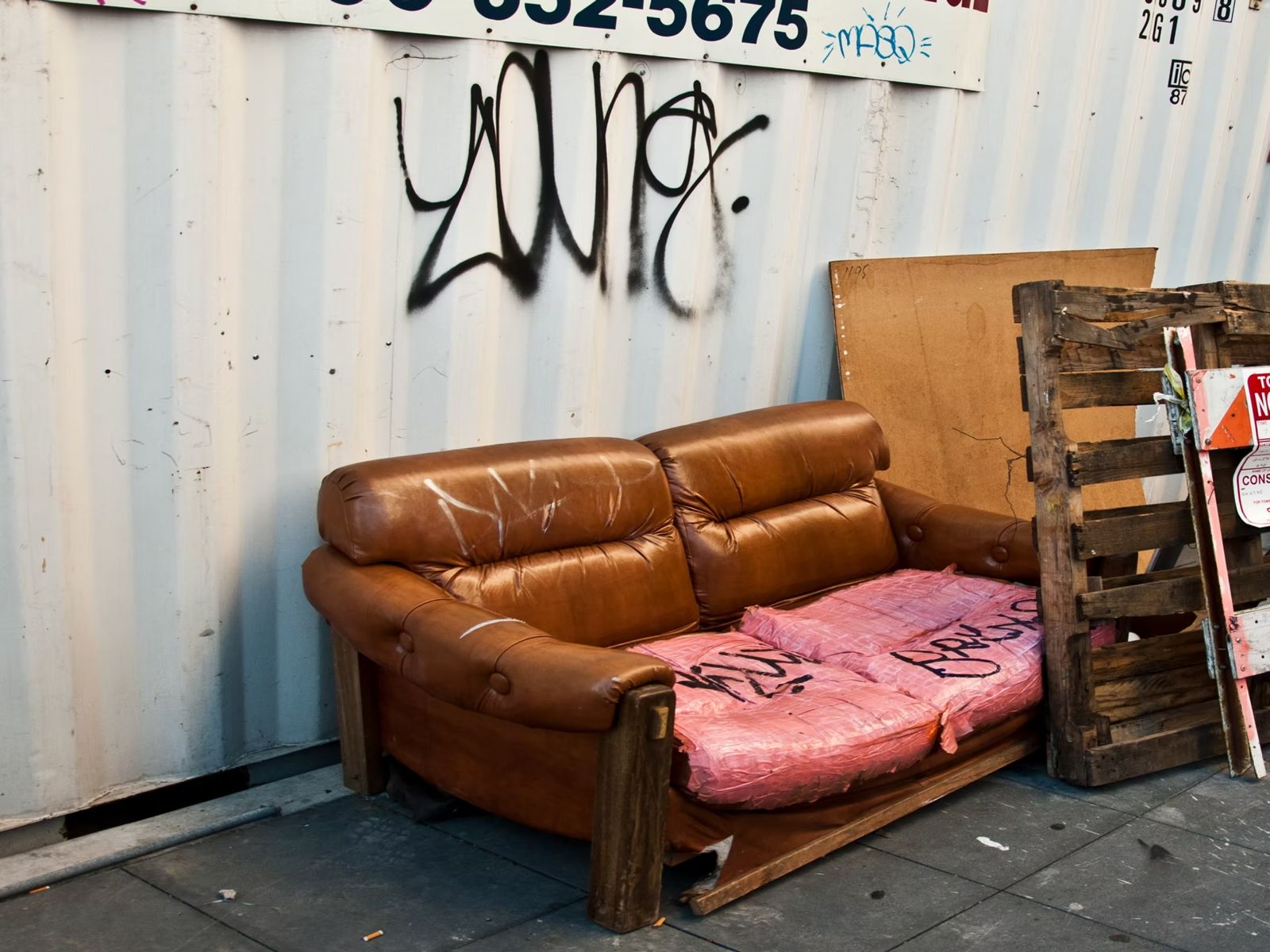
Furniture rescued and reborn — upholstered with photography, painted by hand, one of one. The couch on the curb becomes the chair on the cover.
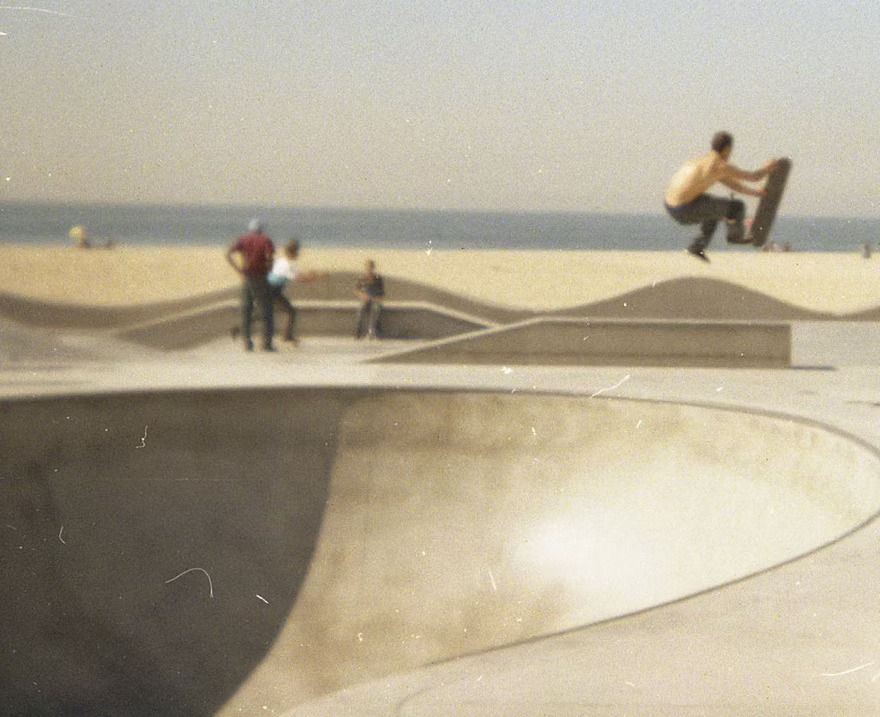
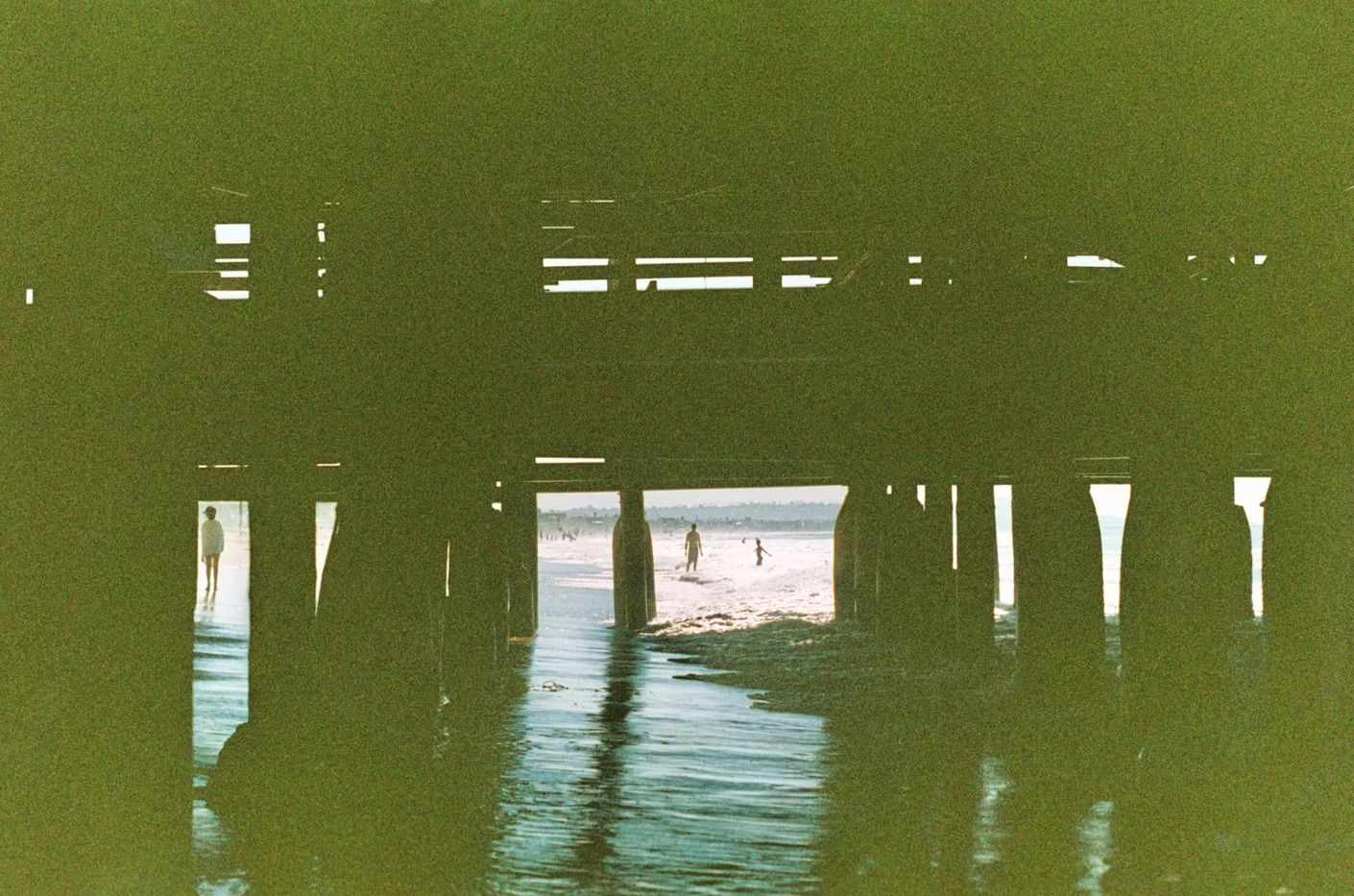
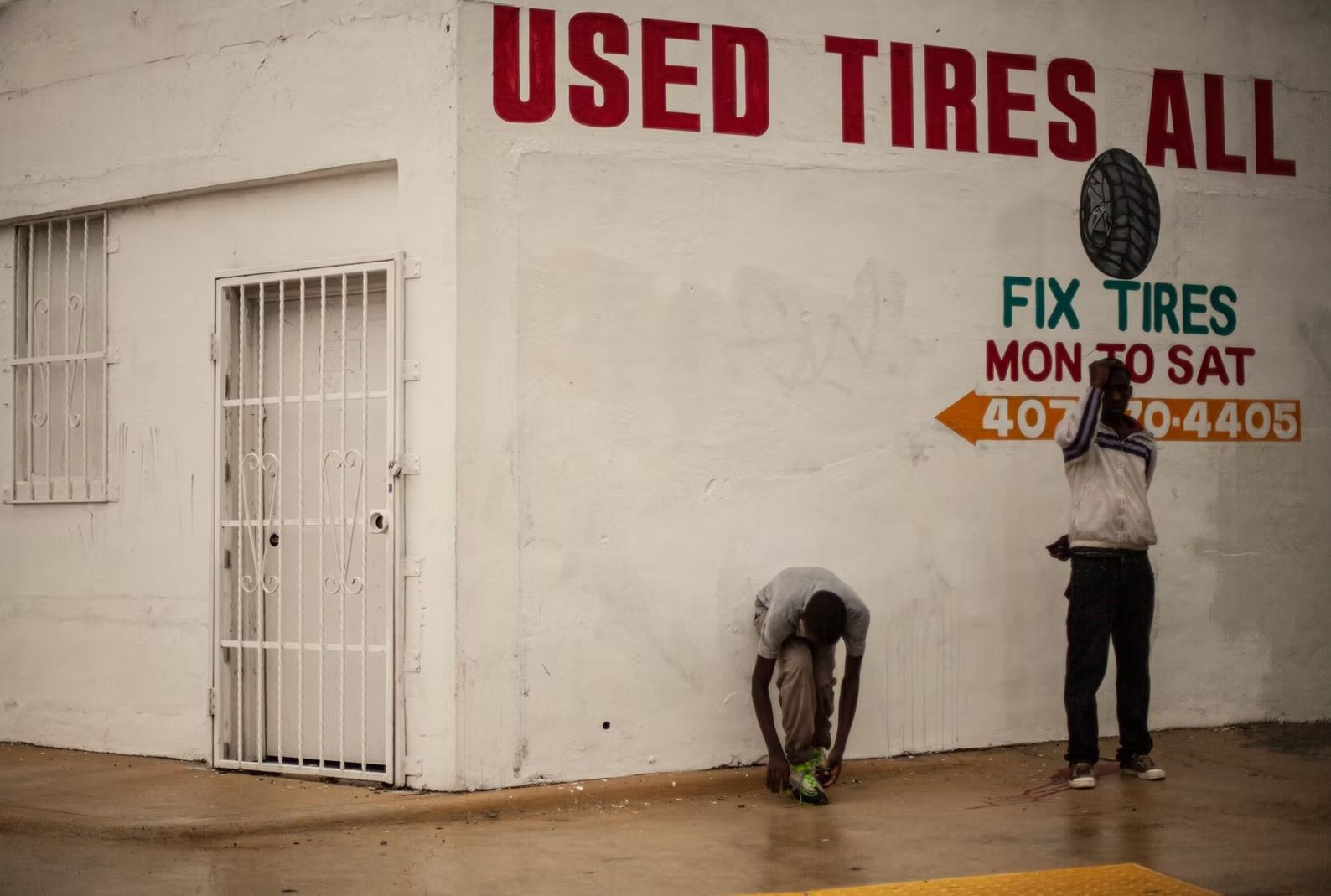
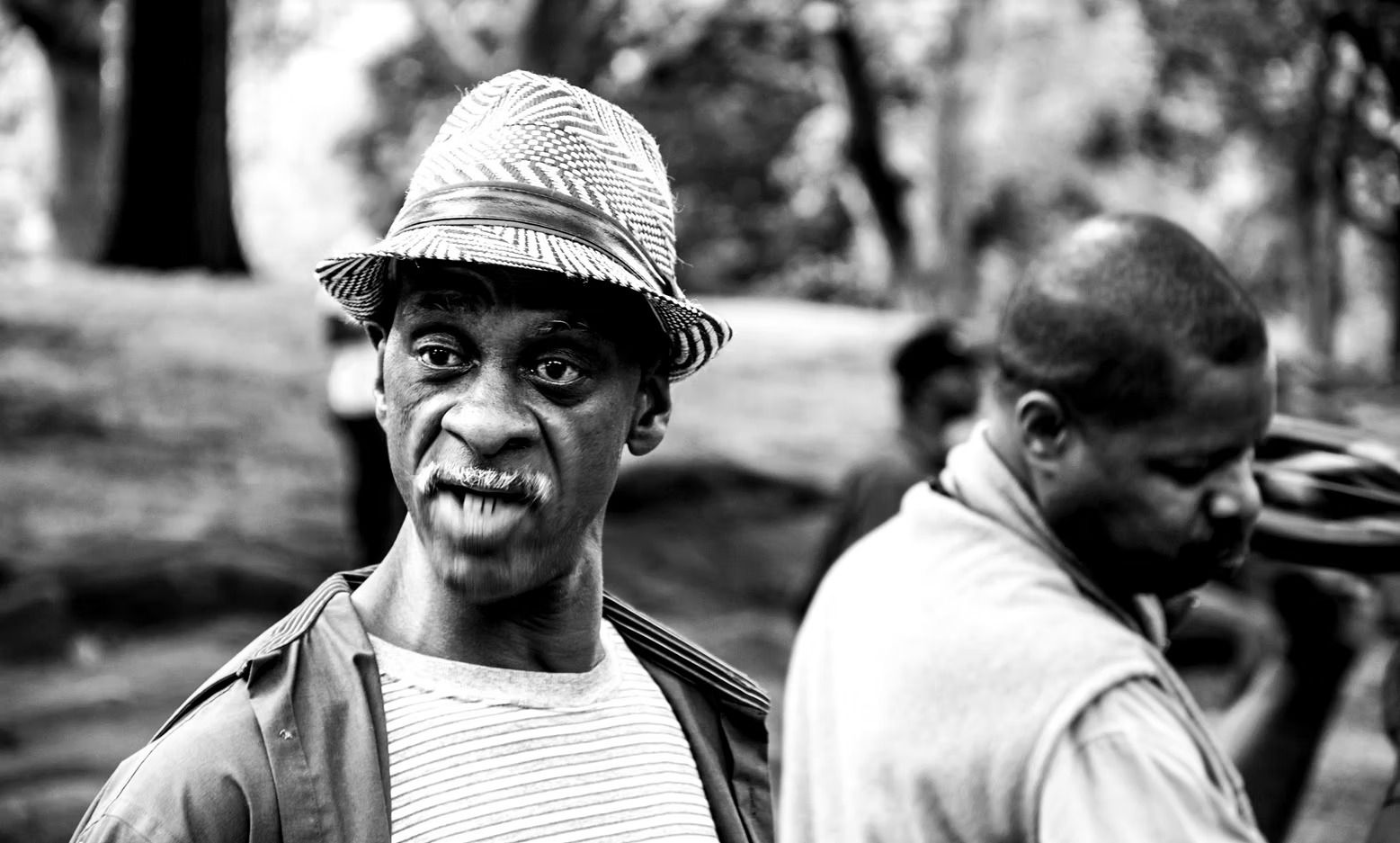
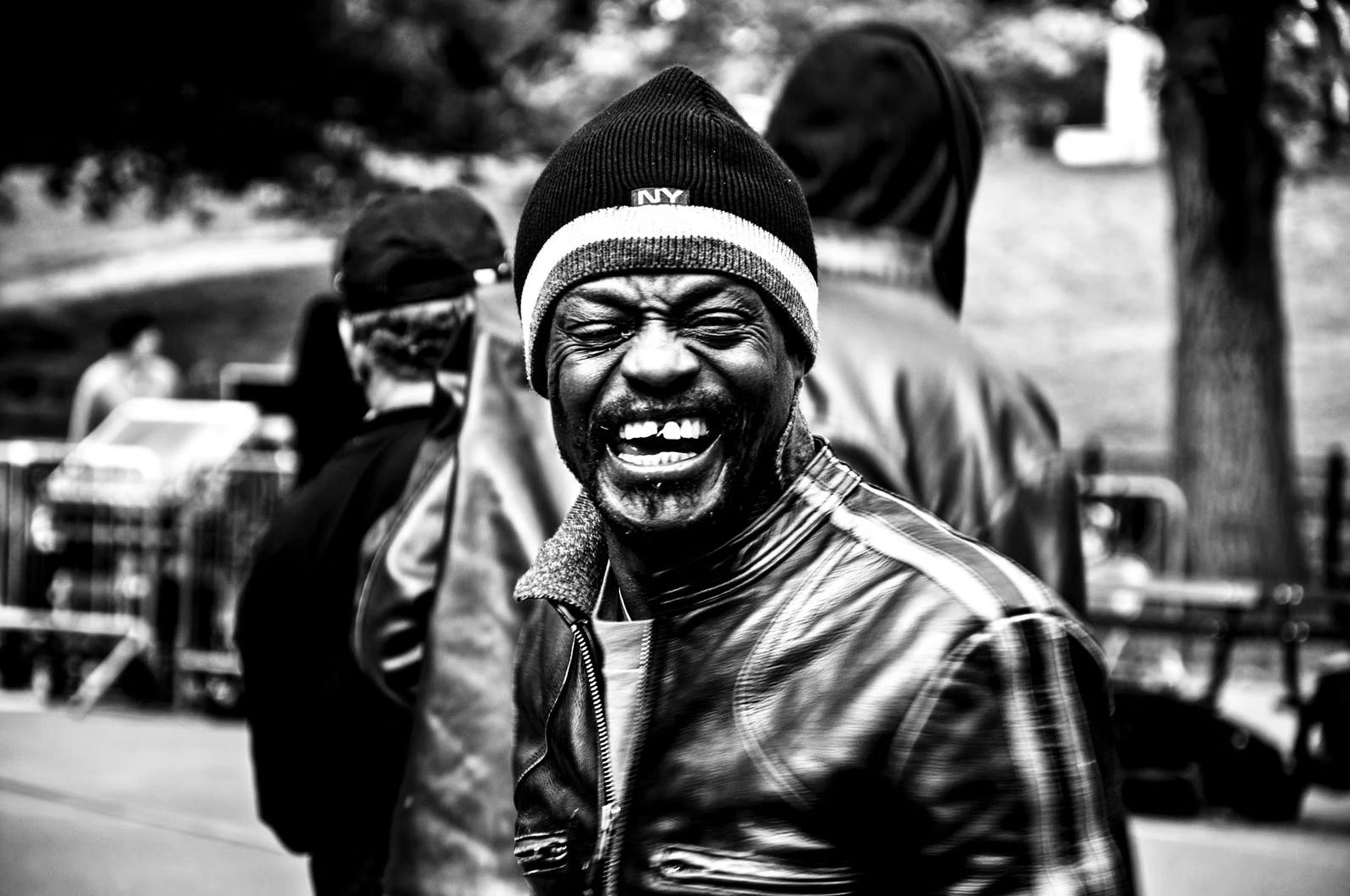
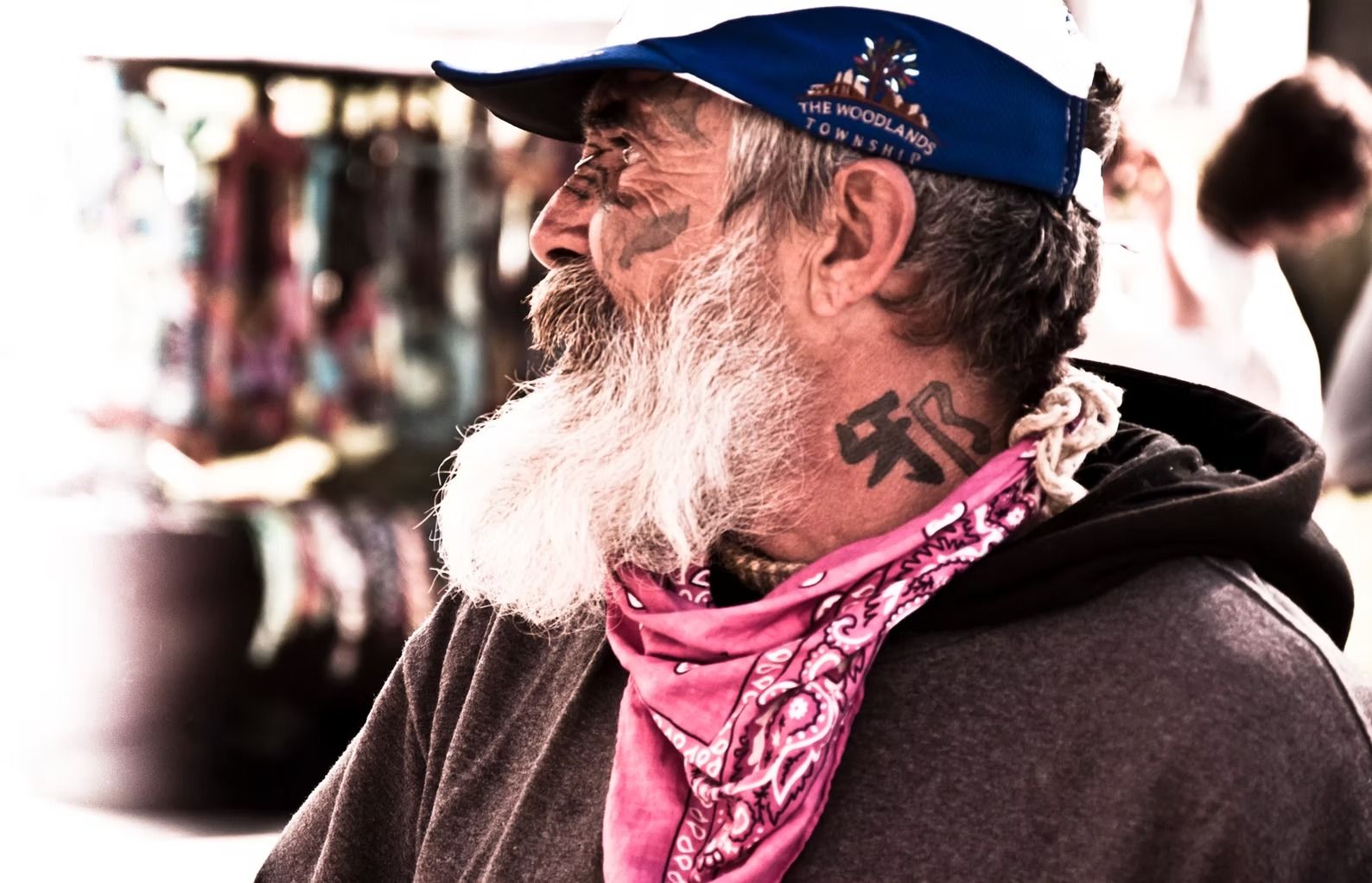
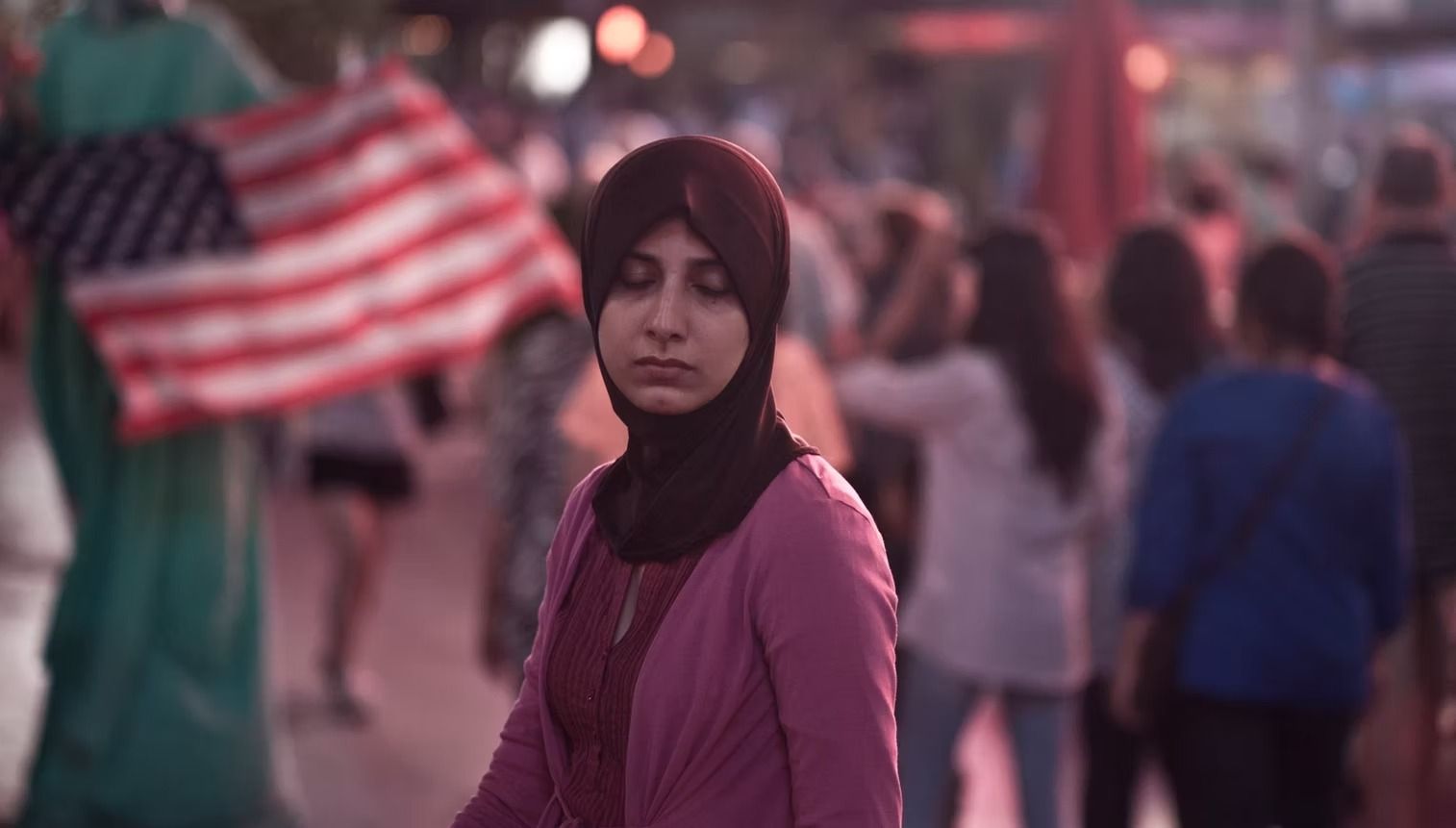
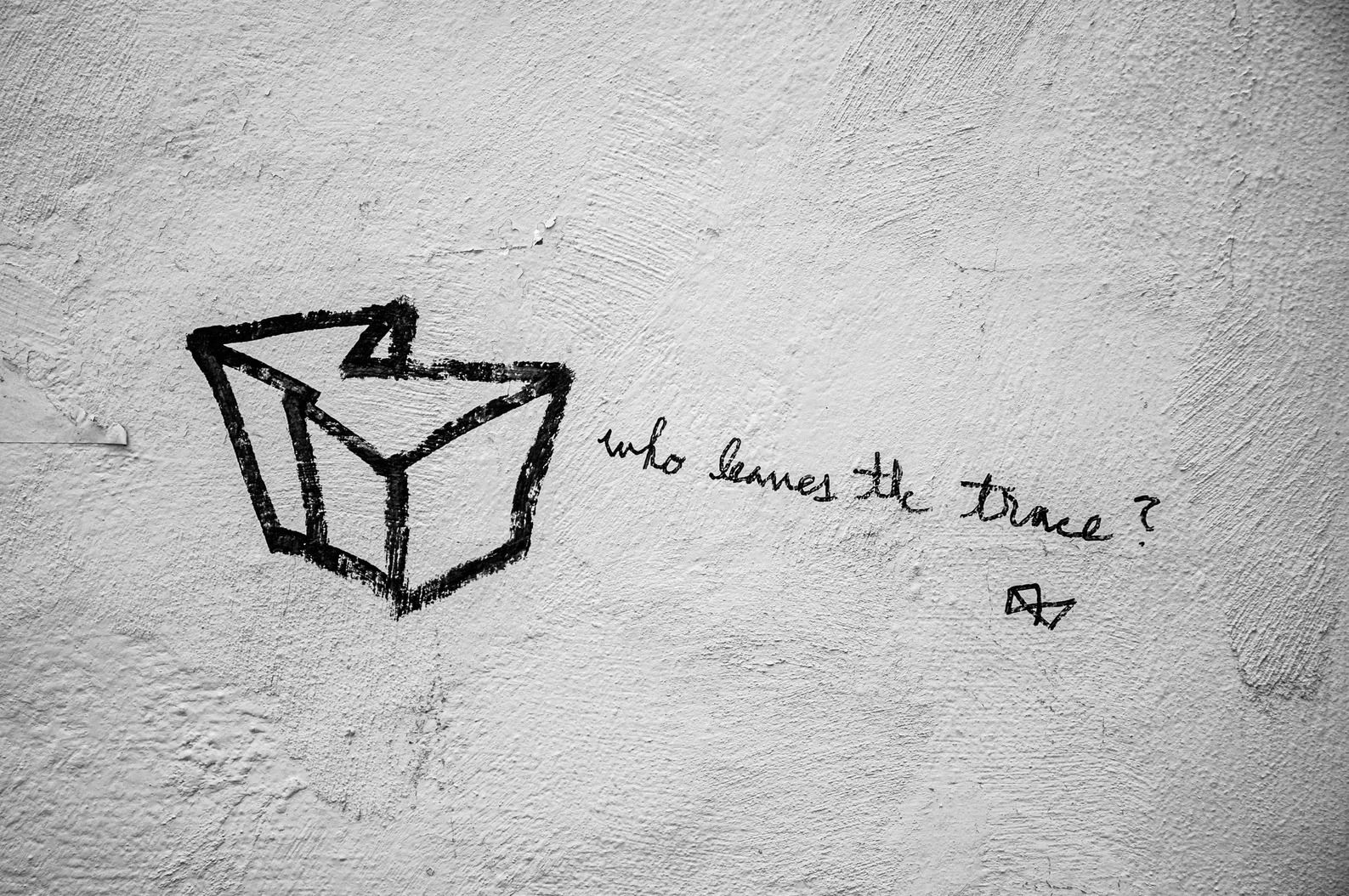
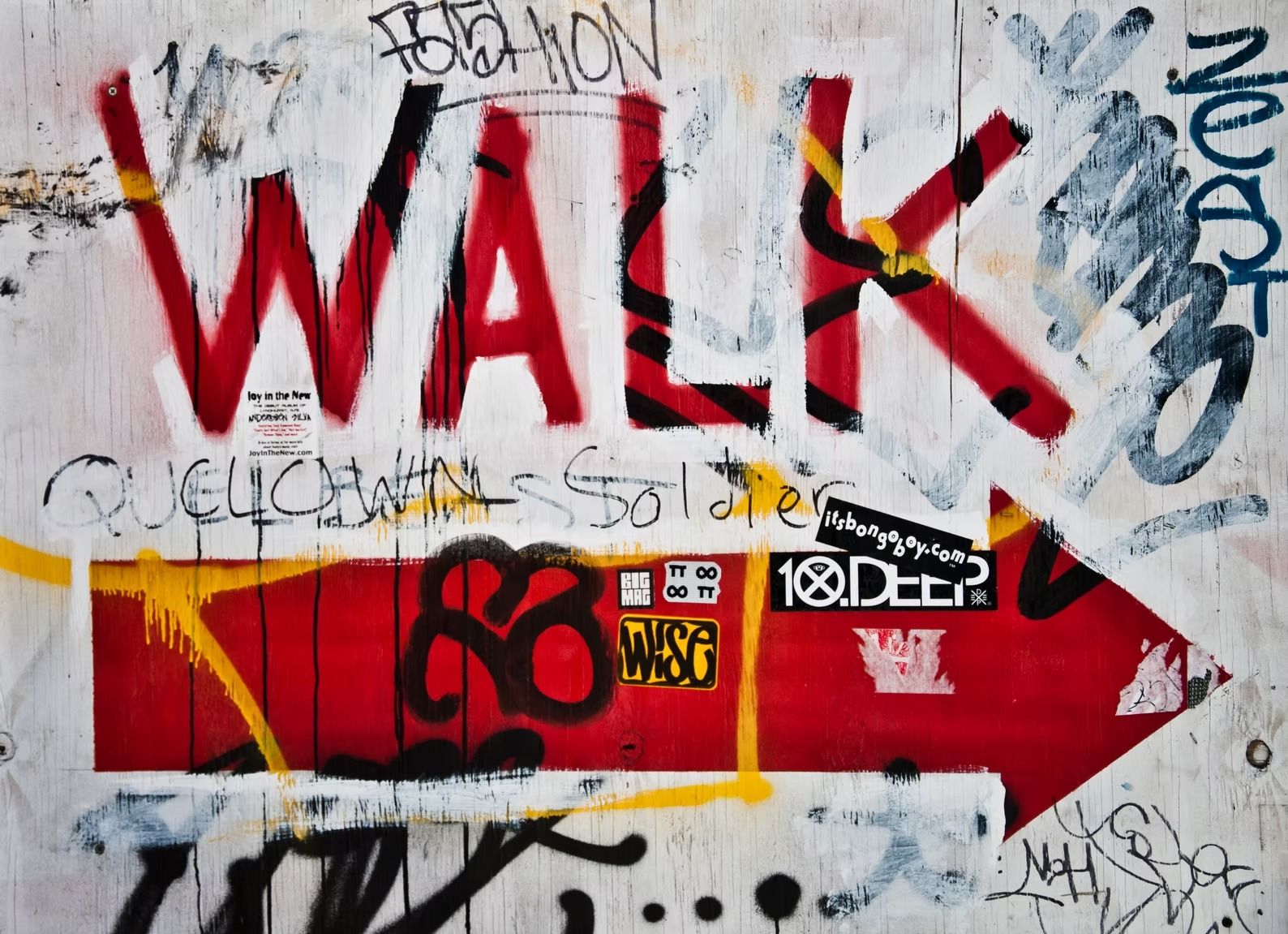
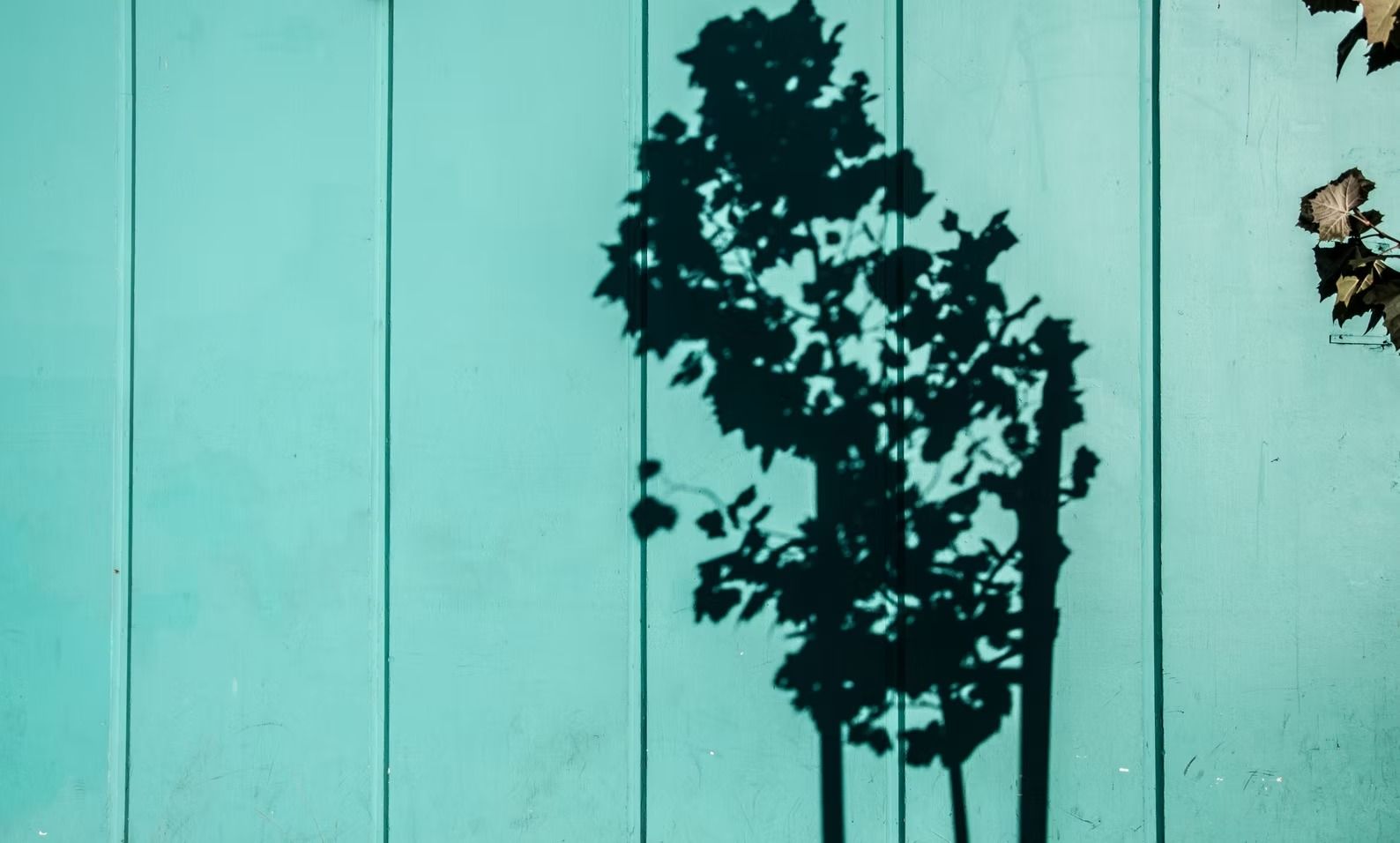
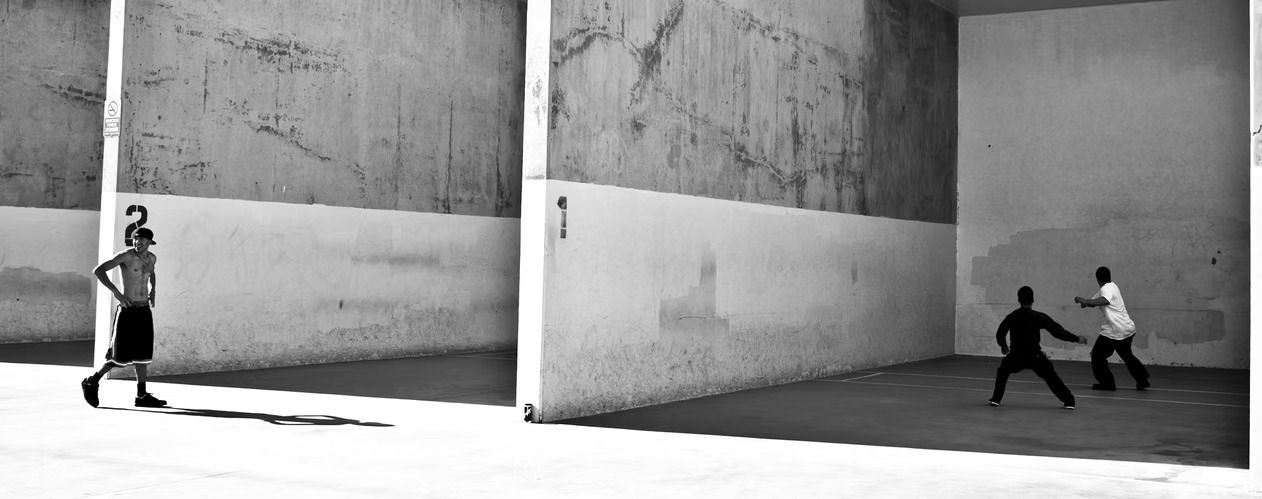
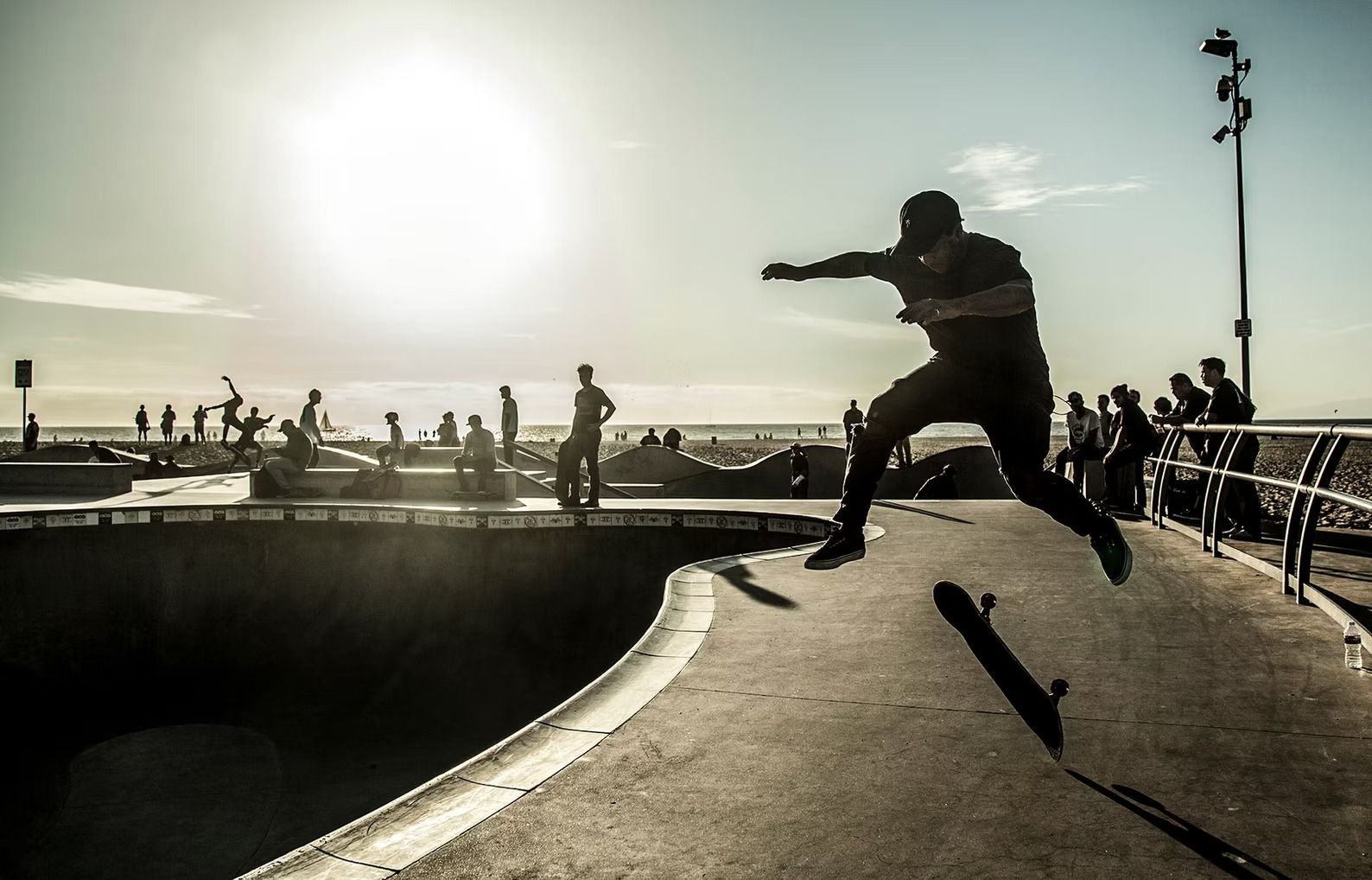
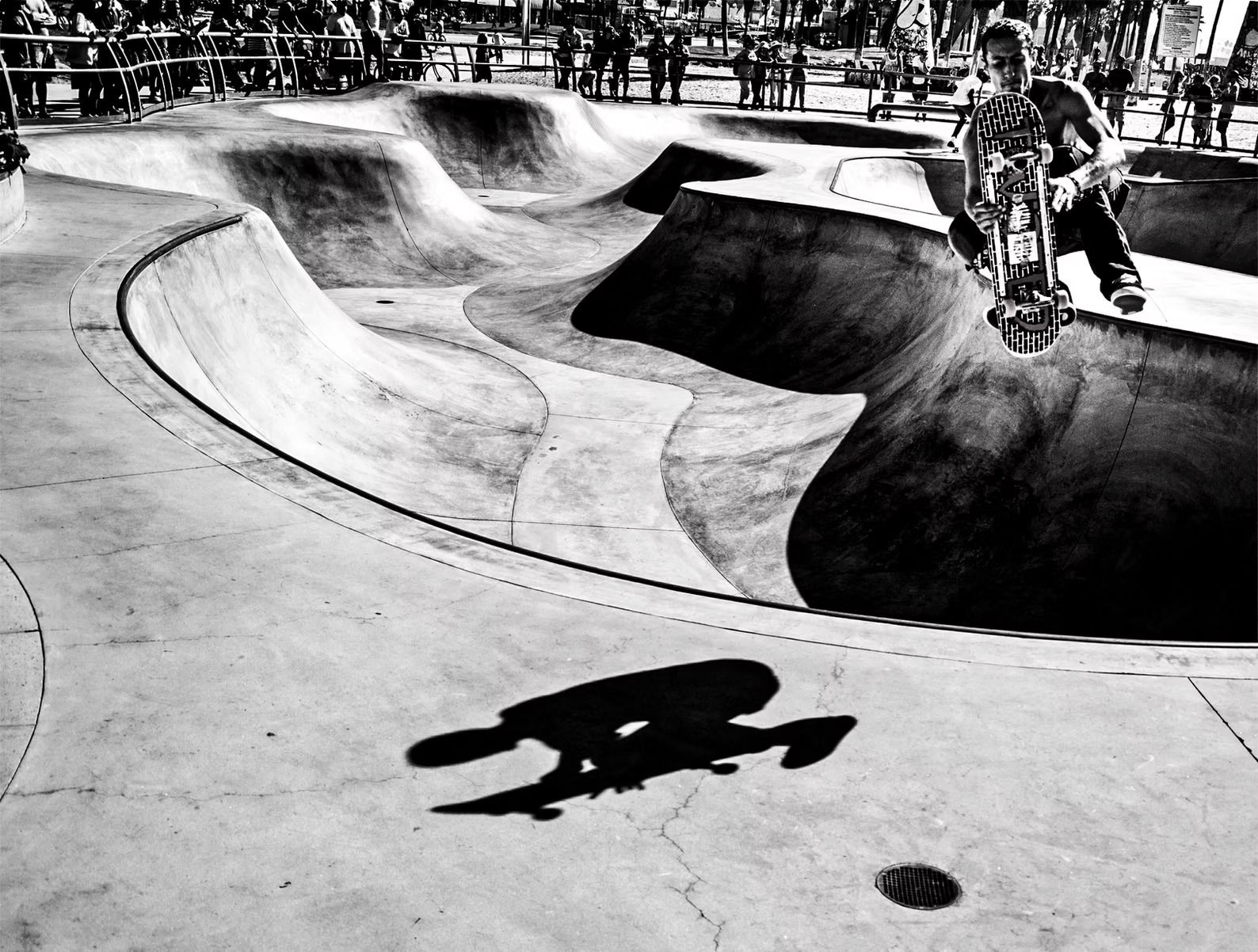
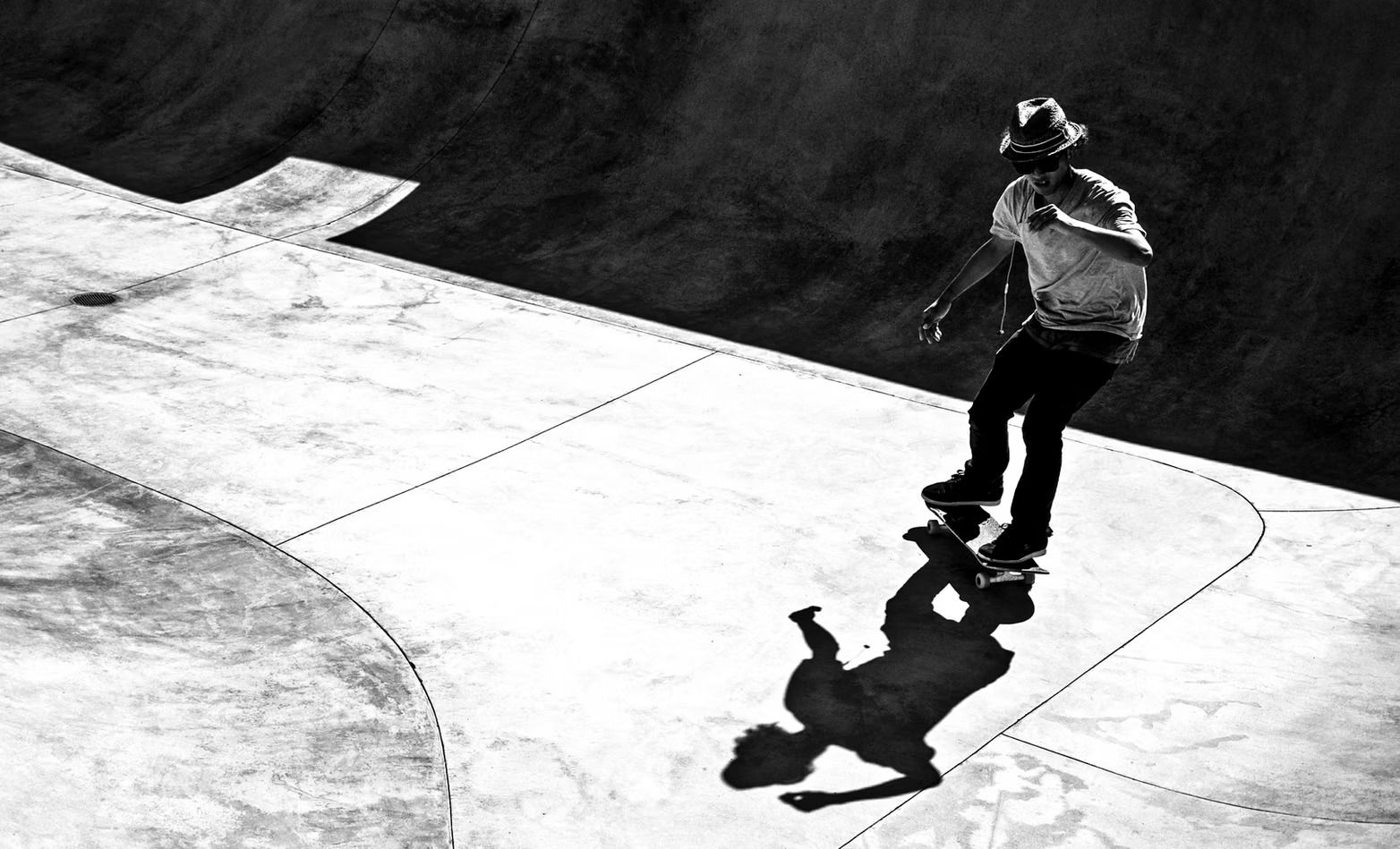
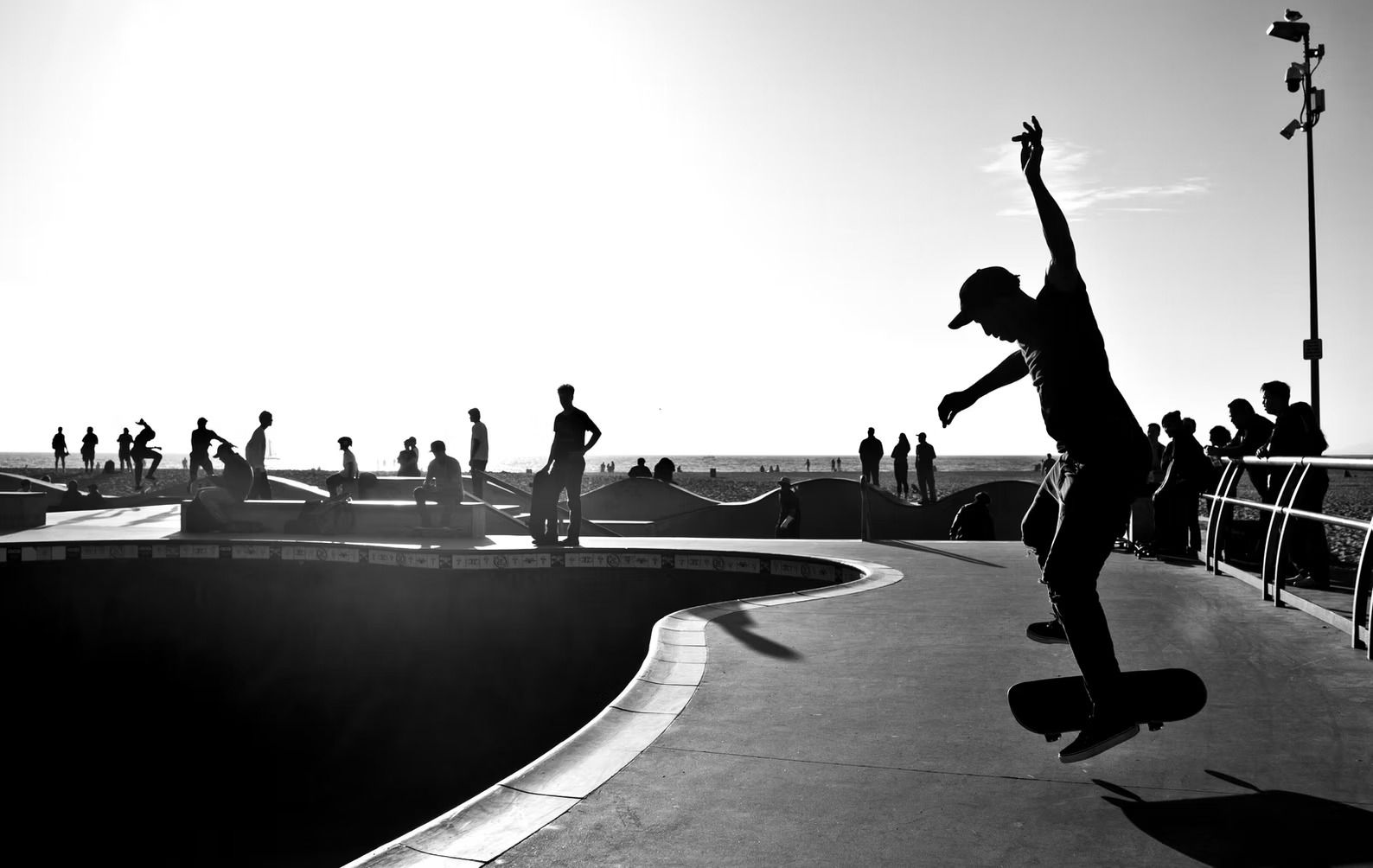
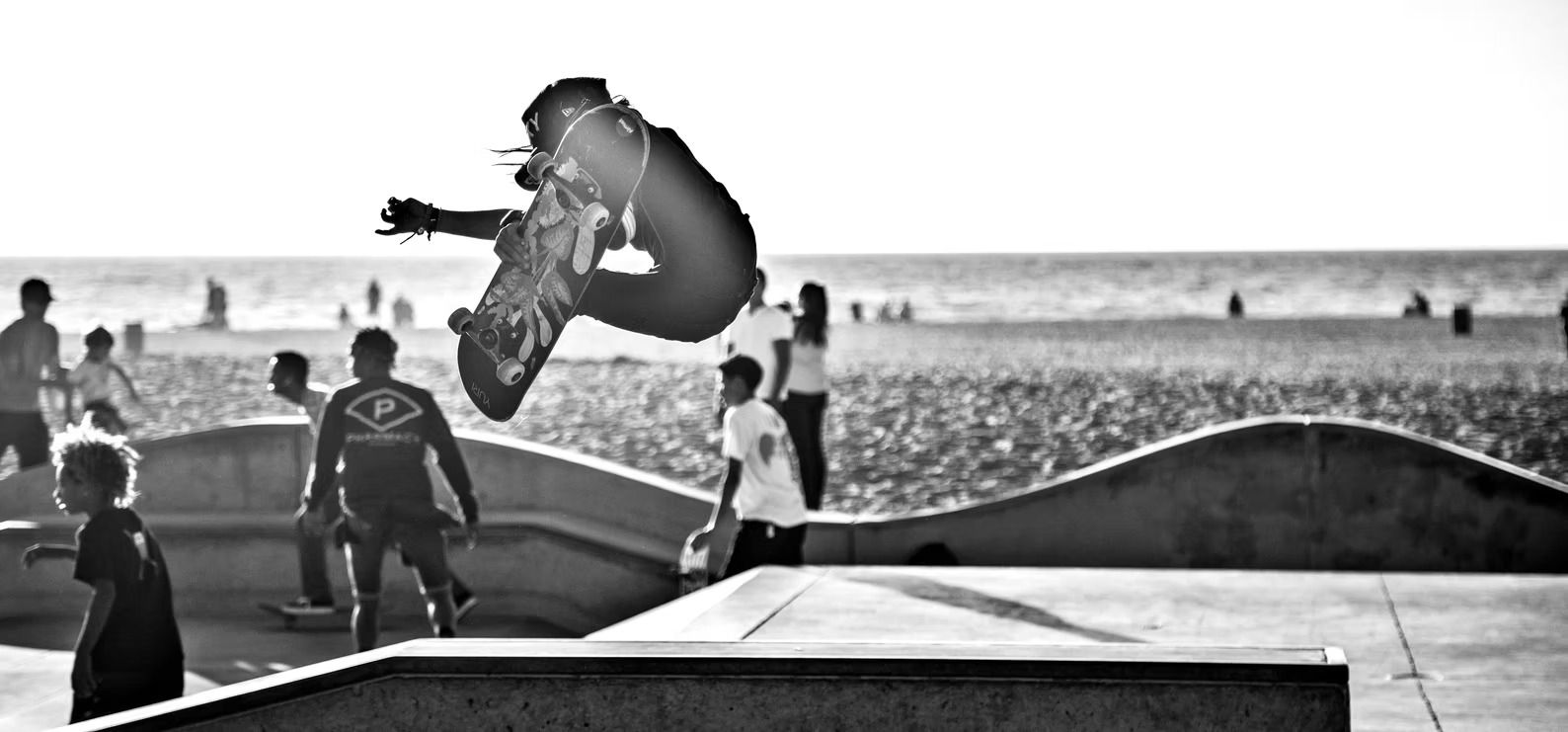
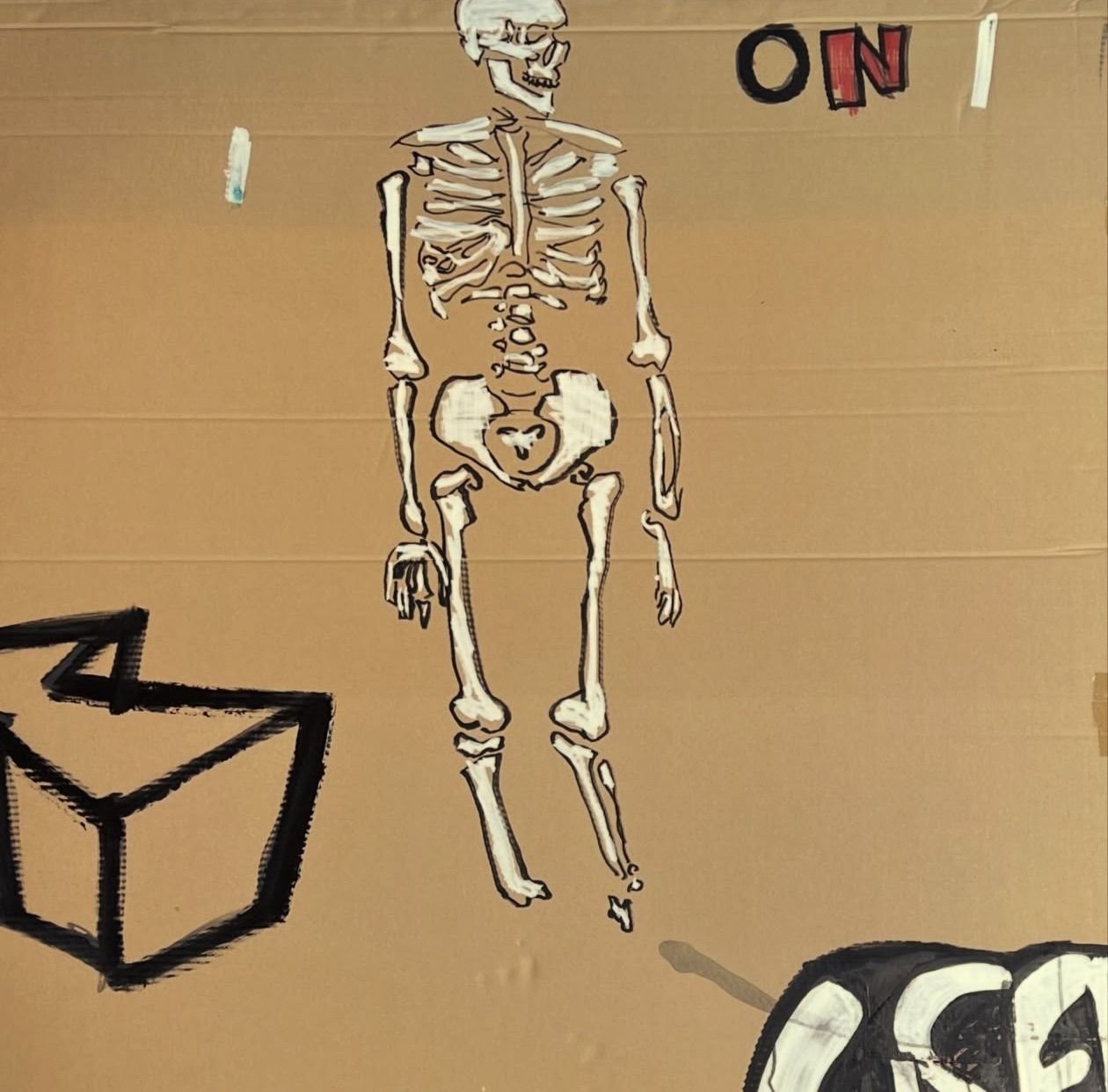
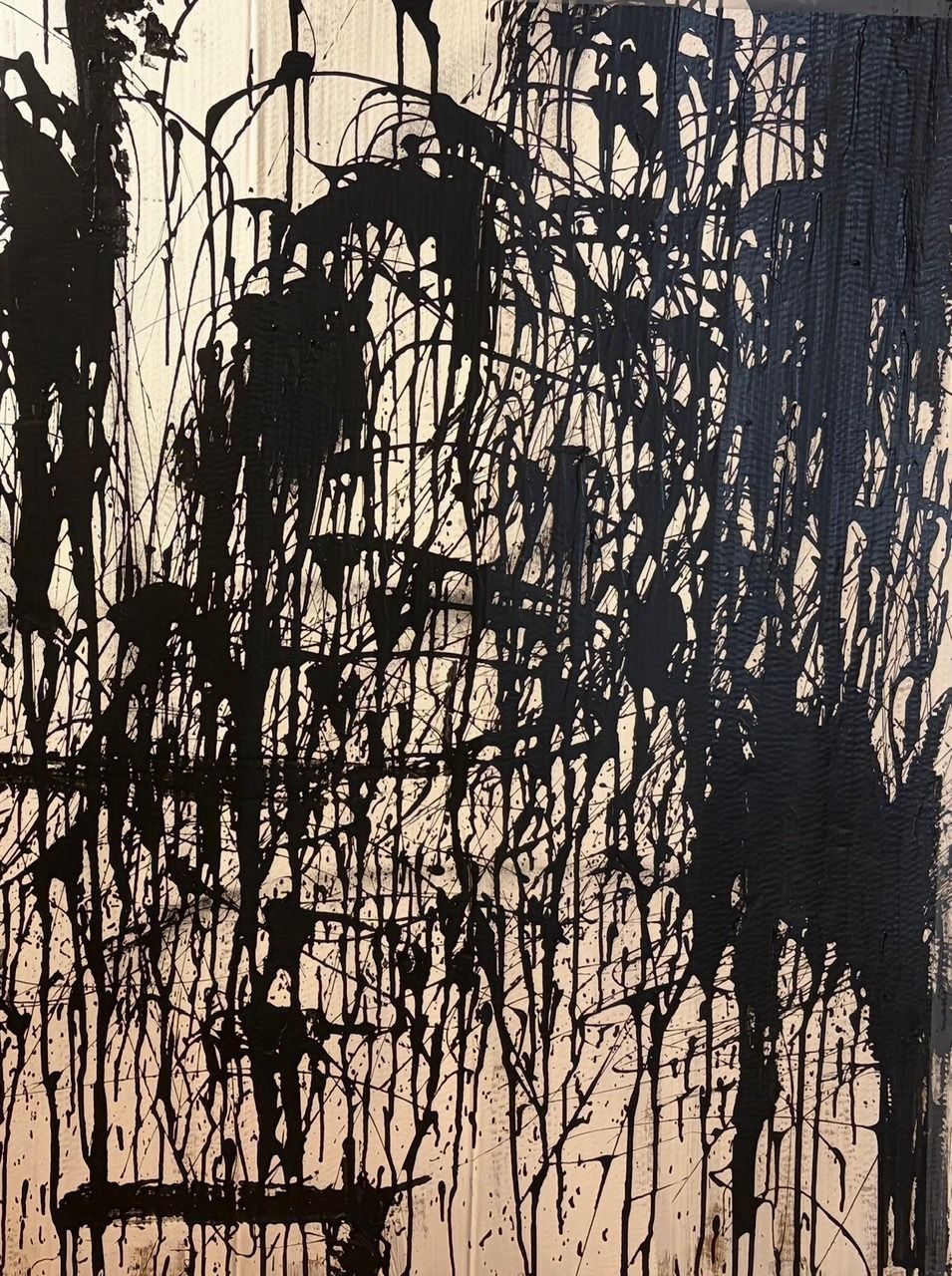
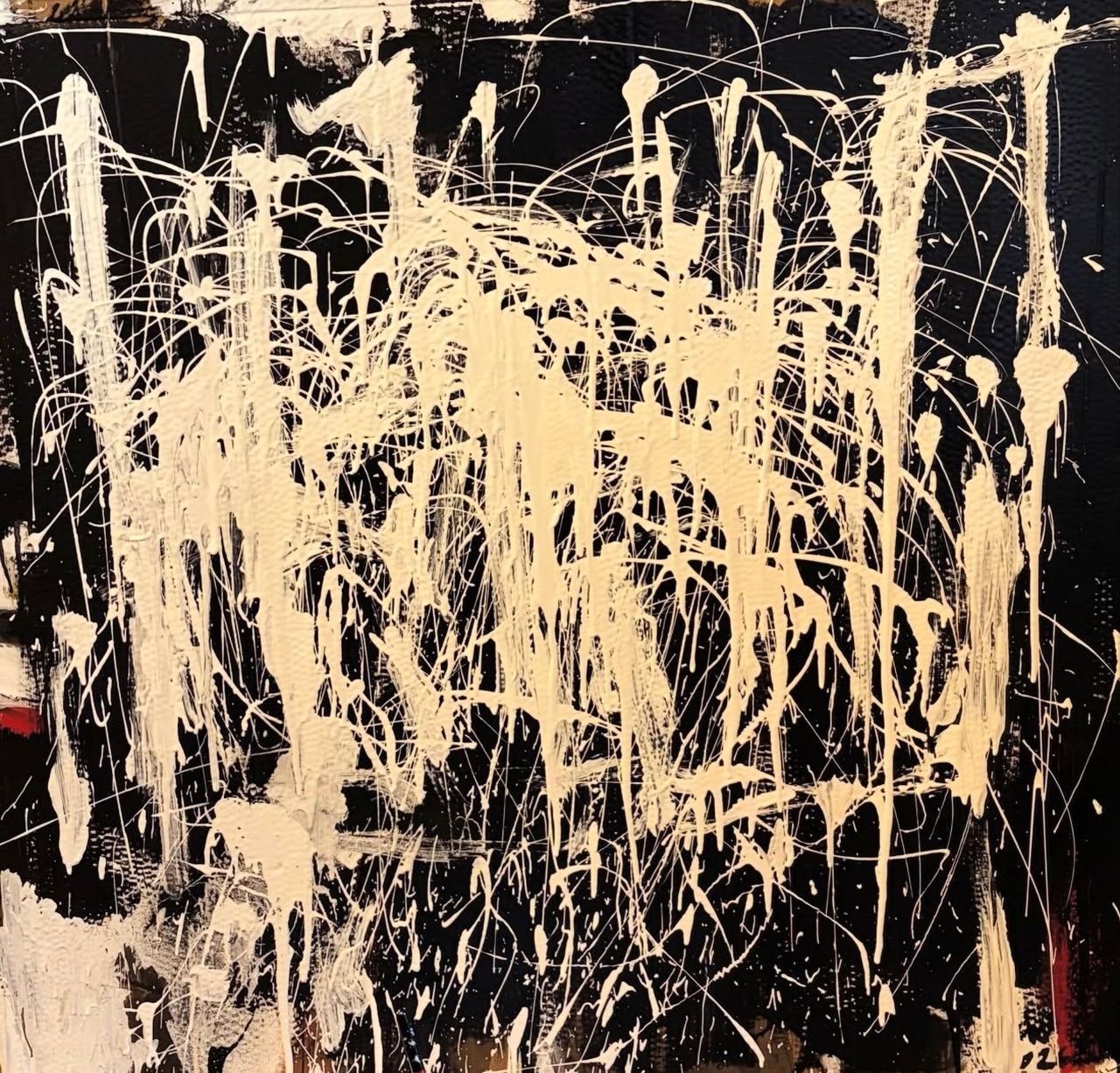
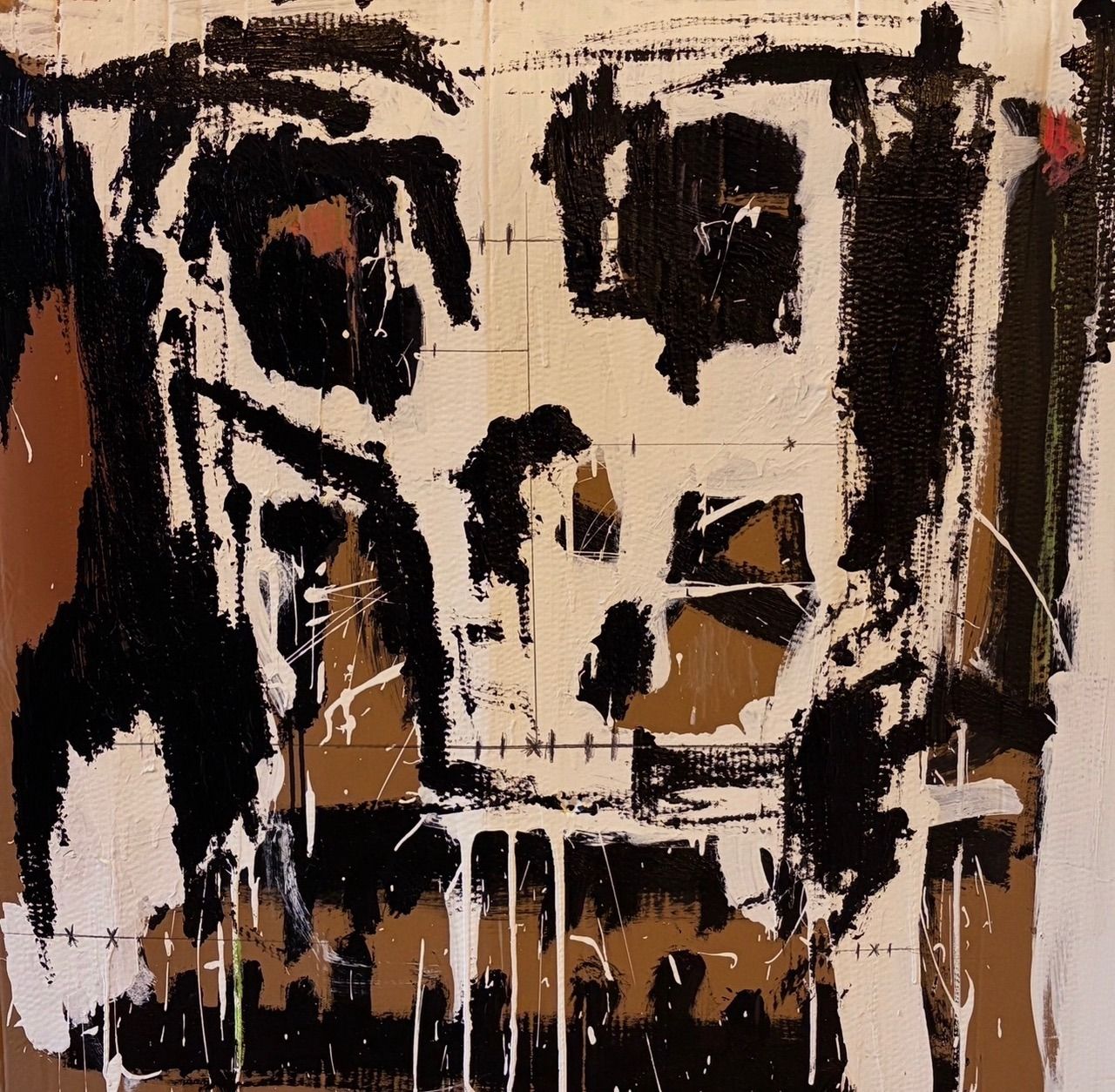
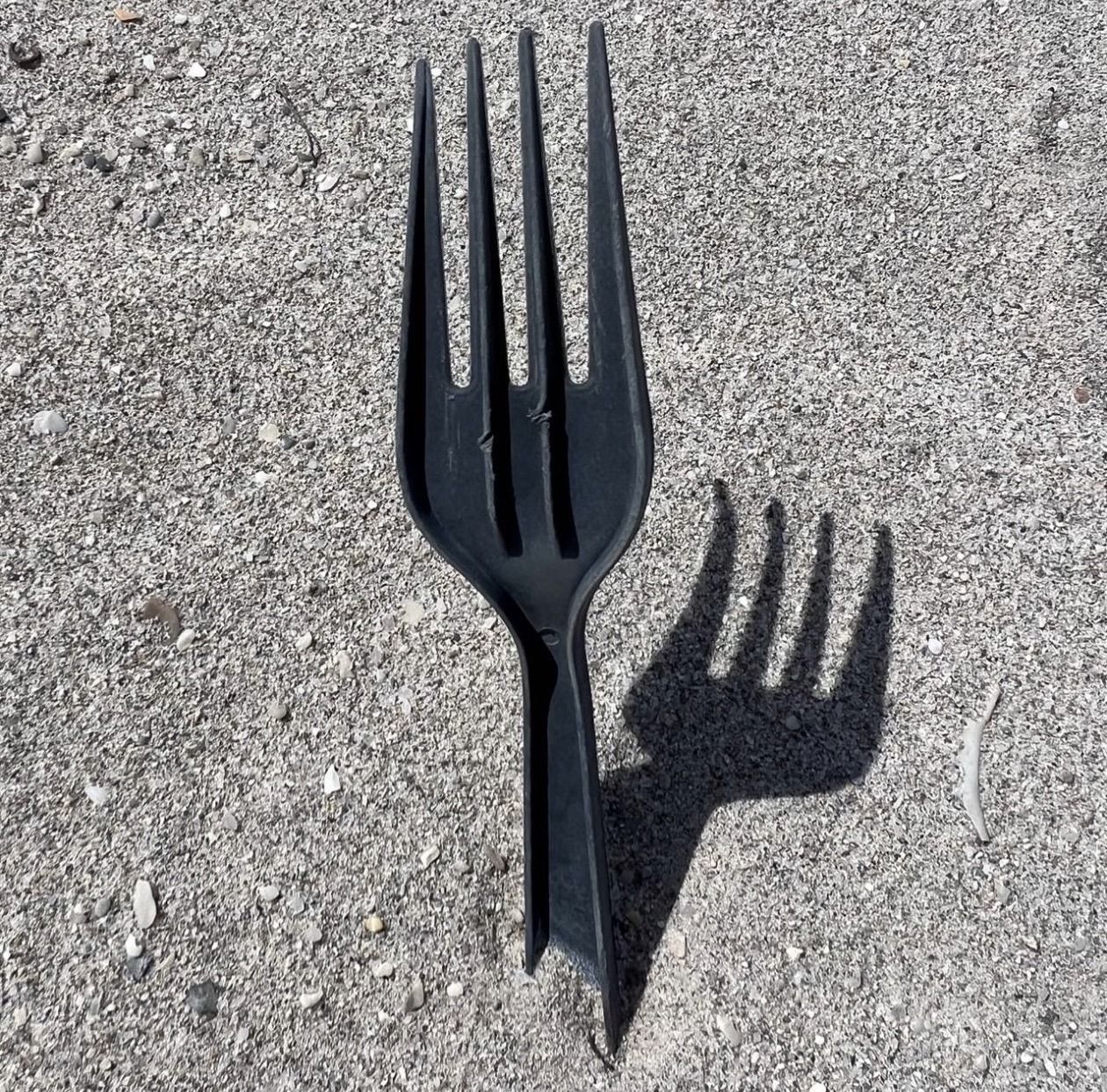
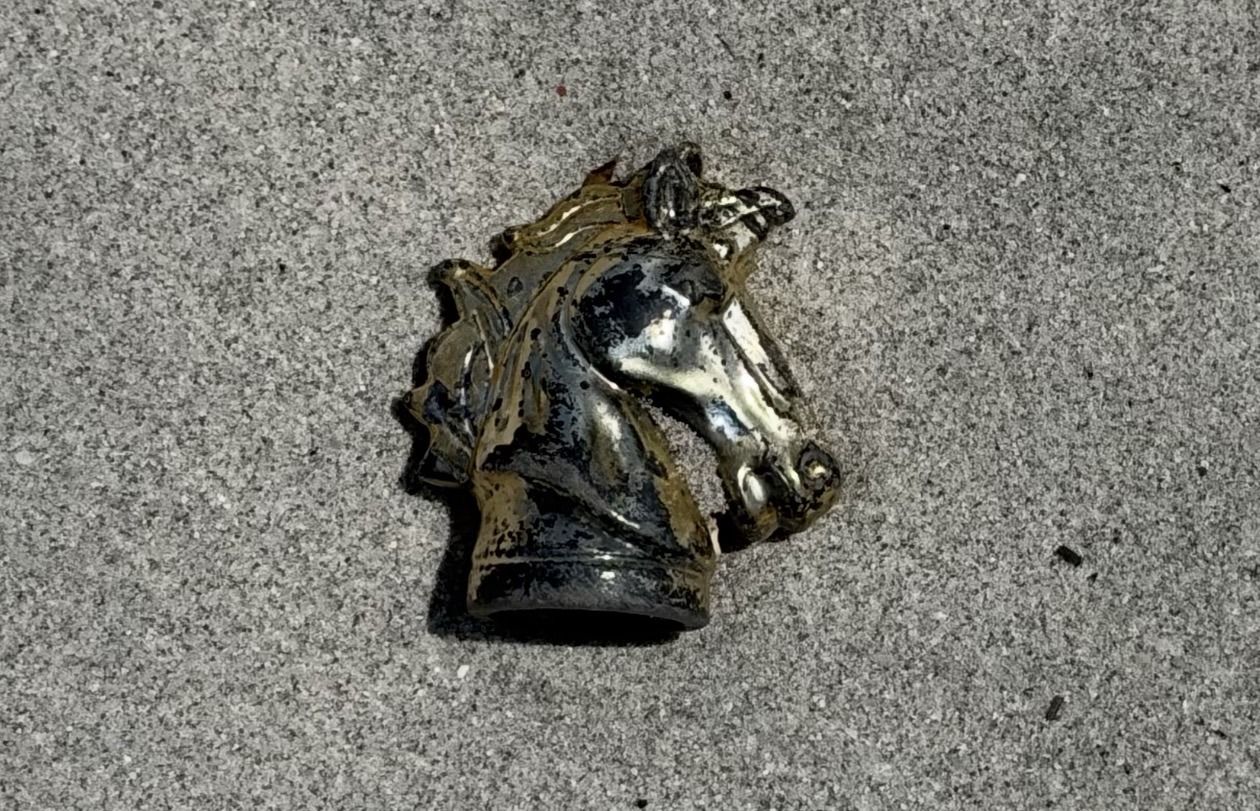
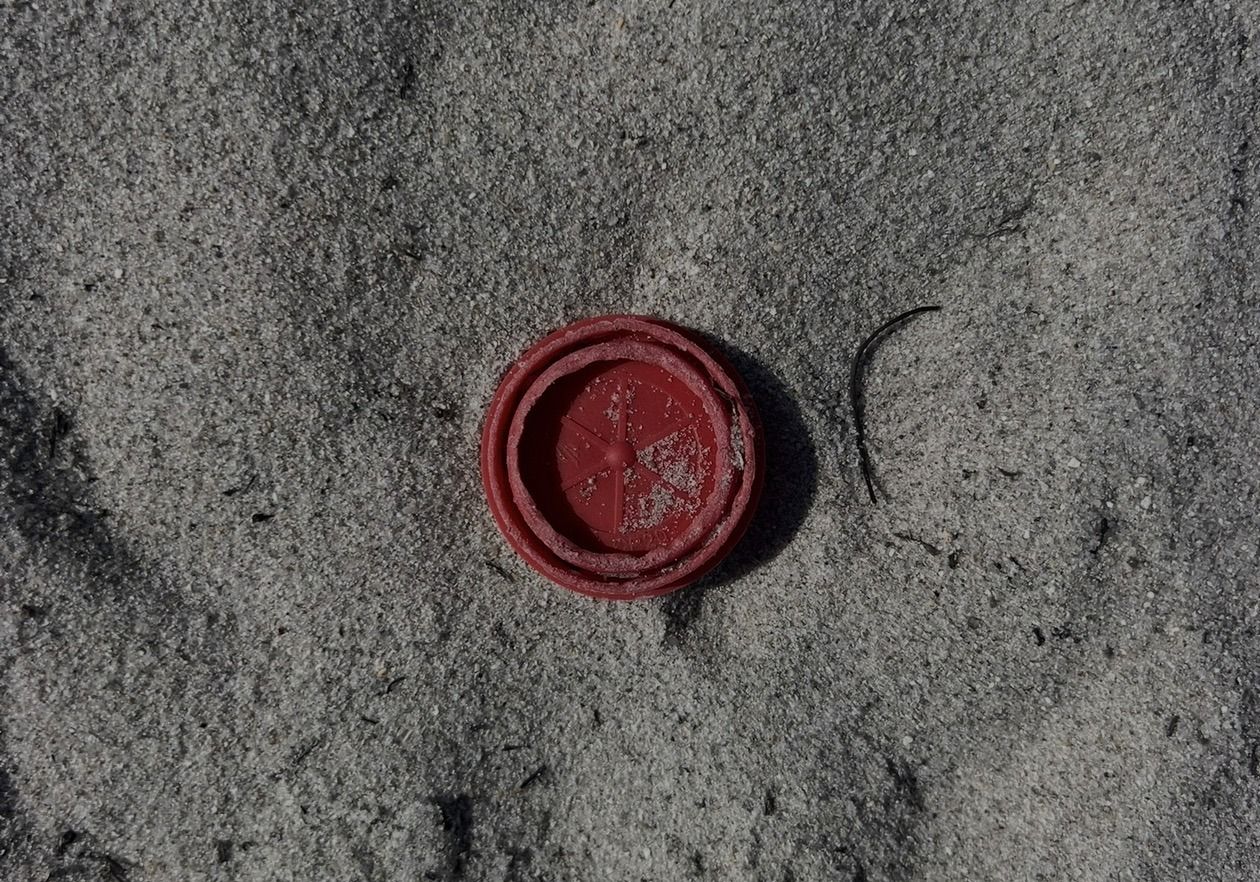
Photography from the street to the studio to the sand — and painting where the camera stops. The eye is the one instrument that never leaves the room.
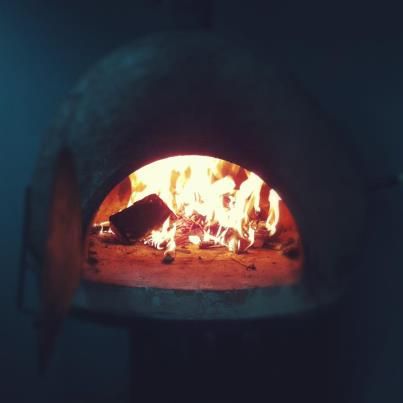
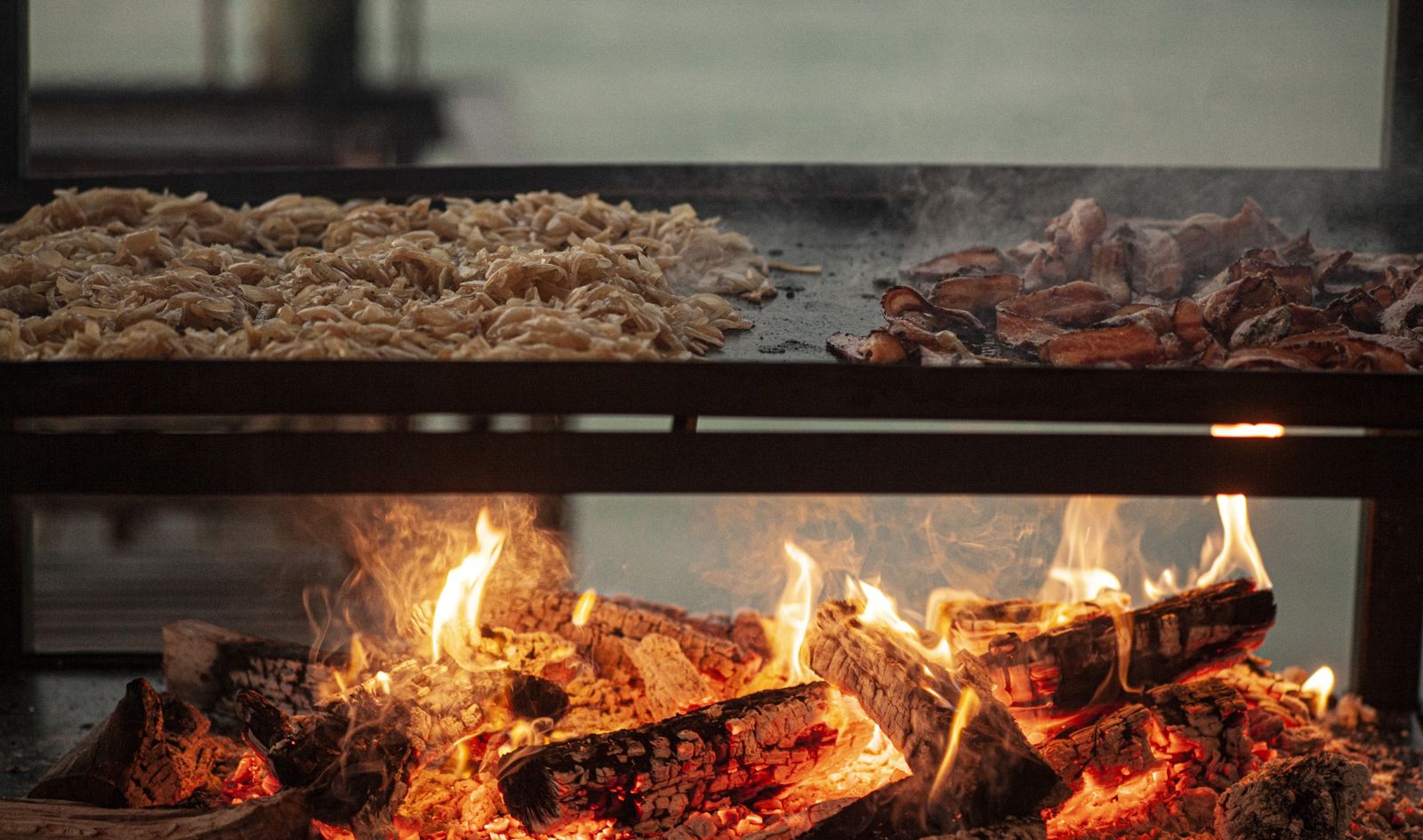
A restaurant for one night. Fire, a shoreline, a table that exists once. Built, served, gone — the memory is the venue.